

If you’re buying add-on cover for international, expat or travel health insurance, buy in this order: medical evacuation first, direct-billing hospital access second, and an outpatient or urgent-care add-on third if you’re travelling longer than a weekend. The U.S. Department of State advises travellers to carry medical evacuation cover for high-risk or remote destinations, and for good reason: air ambulance transfers from remote parts of Southeast Asia can run $20,000 to $80,000, with transfers from parts of Africa or the Middle East to Europe sometimes exceeding $100,000. Direct billing matters because it saves you from fronting five- or six-figure hospital bills yourself. Before you buy anything else:
- Check what your base policy already excludes
- Confirm the geographic validity of any extra you’re considering
- Save the 24/7 assistance number somewhere you’ll actually find it in an emergency
Key Takeaways
The most valuable extras for internationally mobile people are medical evacuation, direct-billing hospital access, and outpatient cover, in that order of priority.
| Point | Details |
|---|---|
| Buy evacuation first | Aim for at least $100,000 for standard travel and $250,000 for cruises or remote areas. |
| Confirm per-event vs aggregate limits | Ask whether your evacuation cap resets each incident or applies across the whole policy year. |
| Budget for real cost spread | Remote Southeast Asia evacuations can run $20,000 to $80,000; Africa or Middle East to Europe can exceed $100,000. |
| Match add-ons to your travel pattern | Adventure sports, cruises and remote itineraries all raise which extras matter most. |
| Compare with Unparalleledglobalbenefits | Our team helps you weigh evacuation limits, direct billing and outpatient modules against your actual itinerary. |
Table of Contents
- What are the common extras in health insurance for international travel?
- Which extras matter most for expats, students and nomads?
- How do you compare add-ons across different insurers?
- How much do these extras usually cost?
- What claims traps should you watch for in the fine print?
- How would a broker prioritise extras for different travellers?
- How Unparalleled Global Benefits helps you pick the right add-ons
- Where these figures and guidelines come from
- Frequently asked questions
- Sources
What are the common extras in health insurance for international travel?
Quotes for international and travel health insurance usually list a handful of optional add-ons, and it helps to know what each one actually does before you tick the box.
- Emergency medical evacuation (medevac): transport to the nearest adequate medical facility when local care isn’t sufficient, often triggered by a serious accident or sudden illness in a remote area.
- Repatriation of remains: covers returning a body home in the event of death abroad, and it usually carries its own, separate and lower sublimit than evacuation.
- Emergency dental abroad: covers urgent pain relief or extraction, not routine check-ups or cosmetic work.
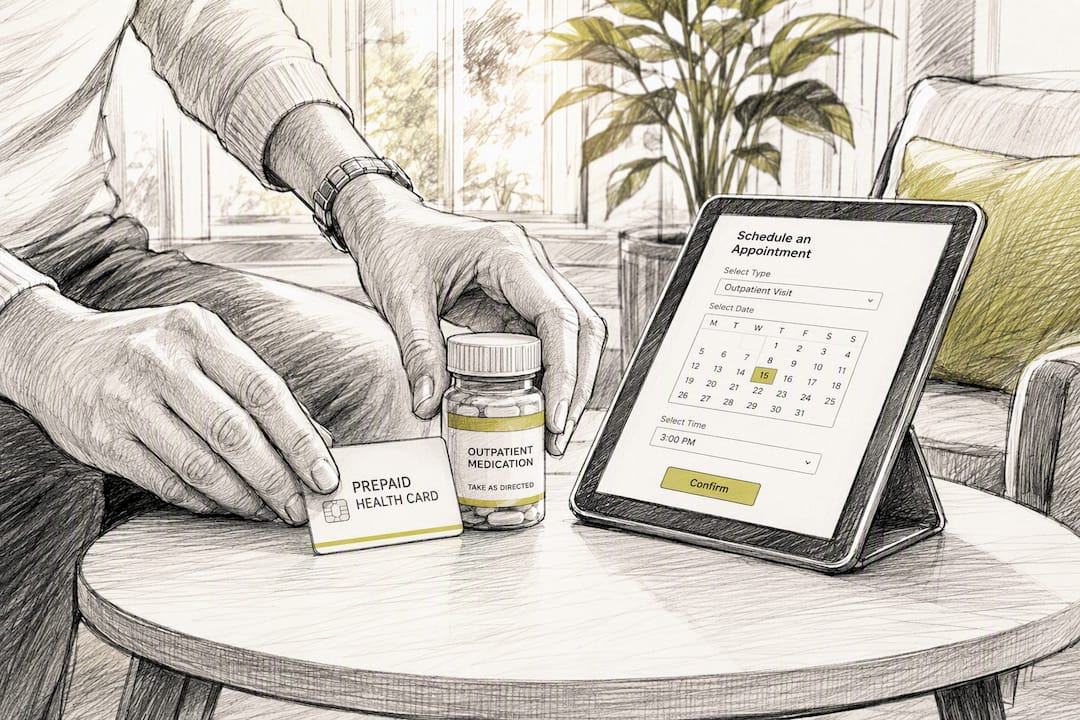
- Outpatient/international outpatient cover: pays for GP visits, diagnostics and minor treatment that doesn’t require hospital admission.
- Adventure or high-risk activity cover: an upgrade required for skiing, diving, trekking at altitude and similar pursuits that standard policies typically exclude.
- Hospital direct billing: the insurer pays the hospital directly instead of you claiming reimbursement afterwards.
- Quarantine or trip-extension cover: pays for accommodation and costs if you’re medically confined and can’t travel home on schedule.
- Trip interruption tied to medical events: reimburses non-refundable costs when a medical emergency cuts your trip short.
- Cruise and remote-area surcharges: not really an “extra” so much as a pricing adjustment that reflects the higher evacuation risk in these settings.
This article covers optional add-ons for international, expat and travel cover specifically. It is not about domestic “extras” policies for routine dental, optical or physiotherapy under a national health scheme, which is a different product entirely.
Which extras matter most for expats, students and nomads?
Not every extra deserves equal weight, and the right priority order depends heavily on who you are and where you’re going.
- Medical evacuation matters most for anyone travelling outside major cities, and it’s the single extra almost every internationally mobile person should have regardless of trip length.
- Direct-billing hospital access matters most for expats and long-term travellers who can’t realistically front a large deposit at a foreign hospital’s admissions desk.
- Outpatient/international outpatient cover matters most for anyone staying longer than a short holiday, since minor illnesses and injuries are far more common than catastrophic ones.
- Adventure-sports cover matters most for digital nomads and gap-year travellers doing anything beyond gentle sightseeing, from scuba diving to motorbike touring.
- Cruise and remote-area cover matters most for cruise passengers and anyone heading to areas with limited medical infrastructure, where evacuation is far more likely to be needed and far more expensive to arrange.
On limits, Squaremouth recommends at least $100,000 in evacuation coverage for standard international travel, rising to $250,000 for cruises or remote-area trips. That’s not an arbitrary number. It reflects the real cost spread: evacuations from parts of Africa or the Middle East to Europe can exceed $100,000 on their own, before any actual medical treatment is added to the bill.
Geography, activity and age all push that priority order around. A digital nomad based in a regional capital with good hospitals needs less evacuation cover than the same nomad spending a month trekking in a mountainous border region. Someone in their sixties applying for a visitor visa may also face tighter minimum cover requirements than a 25-year-old backpacker, simply because insurers price age into risk. If any of this applies to you, our emergency medical evacuation guide walks through how limits are typically structured.

How do you compare add-ons across different insurers?
Comparing quotes side by side only works if you’re comparing the same six things every time. Insurers word their policies differently, so a like-for-like comparison means checking each of these dimensions rather than just the headline premium.
| Comparison dimension | What to check |
|---|---|
| What the add-on covers | Exact events and treatments included, not just the benefit name |
| Sum insured / sublimit | Recommended minimum for your trip type, per event or per policy year |
| Geographic validity | Which countries or regions are excluded entirely |
| Assistance and coordination | Named 24/7 medevac partner and how transport is arranged |
| Pre-existing condition acceptance | Waiting periods and any permanent exclusions |
| Age limits and surcharges | Cut-off ages and cruise or remote-area loadings |
| Cost structure | Extra premium versus a flat add-on fee |
| Claims process | Direct billing versus reimbursement, and required pre-approval |
When you’re on the phone to an insurer or broker, ask directly:
- Does the evacuation benefit include repatriation of remains, or is that a separate line item with its own sublimit?
- Is the evacuation limit applied per event or per policy year, and is there a per-incident cap within that?
- Who arranges transport, and does the assistance provider pay the hospital directly or do you pay and claim back?
Pro Tip: Read the fine print on “nearest appropriate facility” versus “facility of choice.” Many policies only cover transport to the nearest hospital capable of treating you, not the one you’d prefer. If the wording says “appropriate” rather than “chosen,” confirm who decides what counts as appropriate, and whether you can appeal that call in an emergency.
A higher evacuation limit costs more in premium, but the trade-off is straightforward: a $250,000 limit versus a $100,000 one might add a modest amount to your annual cost, yet it closes a gap that could otherwise leave you personally liable for tens of thousands of dollars. For long-term expats specifically, a combined international private medical insurance plan that folds evacuation into the base policy is often more coherent than stacking a standalone medevac product on top, since standalone products tend to manage logistics rather than ongoing treatment. Our guide on comparing medical insurance plans abroad breaks this distinction down further.
How much do these extras usually cost?
Add-on pricing varies by age, destination and activity level, but a few patterns hold fairly consistently. Emergency dental and outpatient add-ons tend to sit at the lower end of the cost scale. Adventure-sports upgrades cost more, scaling with the specific activities listed. Evacuation and repatriation cover tends to sit in the moderate range for standard travel, then climbs noticeably for cruise or remote-area trips because insurers price in that higher likelihood of use.
The real budgeting question isn’t the premium difference. It’s the exposure gap. Air ambulance evacuations from remote Southeast Asia can cost $20,000 to $80,000, and that’s before hospital treatment. A short city-break with good local hospitals nearby is a reasonable case for a lower-limit, budget option. A month in a remote region, a cruise, or any trip involving high-altitude trekking or open water is not.
A simple way to decide when to upgrade:
- Estimate how remote or risky your actual itinerary is, not just your destination country as a whole
- Multiply that risk by the potential cost if evacuation is needed
- If the gap between your current limit and a worst-case cost is large, the modest extra premium for a higher limit is worth paying
What claims traps should you watch for in the fine print?
Extras fail readers most often at claim time, not at purchase time, and the traps are fairly predictable once you know what to look for.
- Self-arranged evacuation is frequently excluded from reimbursement; you generally must call the assistance line first, not book your own flight home and claim later.
- Pre-existing condition exclusions can quietly void an outpatient or evacuation claim if the triggering event is linked to a condition you didn’t disclose.
- Adventure-sports exclusions apply the moment you step outside the listed activities, even if the injury itself seems unrelated.
- Geography exclusions and cruise-specific carve-outs can leave you uncovered in exactly the scenario you bought the extra for.
- Waiting periods on some add-ons mean cover doesn’t start the day you buy the policy.
- Per-event limits versus aggregate annual limits change how much protection you actually have if more than one incident occurs.
A practical claims sequence looks like this:
- Call the 24/7 assistance hotline before arranging any transport or major treatment yourself.
- Confirm whether pre-approval is required and get it in writing or by email where possible.
- Keep every receipt, discharge summary and referral letter, since reimbursement claims are usually rejected for missing documentation rather than for the medical facts themselves.
Extras also interact with your base policy in ways that aren’t always obvious. Some insurers only pay an outpatient claim if you’ve purchased the outpatient module separately, even though the base policy sounds like it should cover a GP visit. Always ask the insurer to confirm this in writing rather than assuming.
How would a broker prioritise extras for different travellers?
An expat settling into a new country for years needs continuity of care more than a single evacuation event, so I’d steer them towards an integrated iPMI plan rather than a standalone medevac add-on. A student on a year abroad in an EU city faces lower evacuation risk but real exposure to minor illness, so outpatient cover often matters more than a high evacuation limit. A digital nomad working from Southeast Asia faces the opposite balance: good local clinics for minor issues, but genuine remoteness risk if something serious happens outside a major hub, which is where that $250,000 evacuation minimum earns its keep. A short-term traveller on a two-week holiday needs the basics covered well rather than every add-on going. If you’re unsure which profile fits you, working through the checklist questions above with a broker beats guessing from a quote comparison table alone.
How Unparalleled Global Benefits helps you pick the right add-ons
Unparalleledglobalbenefits is the alternative to sorting through dozens of insurer PDFs yourself: we compare evacuation limits, direct-billing terms and outpatient modules side by side so you can see the real trade-offs in minutes rather than hours.
If you’ve read this far, you already know medical evacuation and direct billing are the two extras to prioritise. Our team helps you match those priorities to a specific plan, whether you’re an expat settling in long-term or a traveller booking a single trip. Start with our guide to selecting the right expat insurance provider, or go straight to a tailored quote request if you already know your travel dates and destination.
Planning a trip for yourself, a resident, or visiting family? UGB + Ekta can arrange travel insurance for seniors up to 100 years old. Just click here: Ektatraveling and add the promo code “UGB” to receive an additional 10% discount.
For a walkthrough of how evacuation assistance actually works in practice, this video is worth five minutes:
Pricing on any plan we discuss depends on your age, destination, trip length and chosen limits, and Unparalleledglobalbenefits earns a referral fee when you purchase through a partner insurer, at no extra cost to you.
Where these figures and guidelines come from
- U.S. Department of State: travel health insurance and evacuation guidance
- CDC Yellow Book: medevac cost ranges and destination risk
- Squaremouth: recommended evacuation minimums and claims mechanics
- Global Investments: standalone medevac versus iPMI comparison
- Forbes Advisor: adventure-sports coverage upgrades
Always double-check your destination’s embassy or consulate for any specific minimum insurance amounts required for visa or entry purposes.
Frequently asked questions
What is the single most important extra to buy for international travel?
Medical evacuation cover comes first for nearly everyone, since it’s one of the costliest claims a traveller can face and the one most likely to leave you stranded without it.
Is a health insurance extras comparison different from comparing base policies?
Yes. A base policy comparison looks at everyday medical cover, while an extras comparison focuses on optional add-ons like evacuation, dental and adventure-sports cover layered on top.
Do I need adventure-sports cover if I’m only hiking casually?
Check your policy wording carefully. Some insurers class activities like high-altitude trekking or scuba diving as excluded by default, even when they seem low-risk to you.
Does direct billing exist for every extra, or just hospital admissions?
Direct billing is most common for hospital admissions and evacuation, while dental and outpatient claims more often work on a reimbursement basis, so confirm this per add-on rather than assuming.
How do I know if my evacuation limit is enough?
Compare it against real cost examples for your destination type. If you’re heading somewhere remote or taking a cruise, a $100,000 limit may fall short of what a genuine emergency could cost.
This article is general information, not a substitute for advice from a qualified doctor. Consult a qualified healthcare professional about your own circumstances before acting on anything here.
Sources
- U.S. Department of State: Travel insurance guidance
- CDC: Travel insurance (Yellow Book)
- Squaremouth: Medical evacuation and repatriation
- Global Investments: Medical evacuation and repatriation insurance explained
Recommended
- Private health insurance price comparison: your 2026 guide – Unparalleled Global Benefits
- How to compare health insurance for expats and visitors – Unparalleled Global Benefits
- How to compare medical insurance: your 2026 guide – Unparalleled Global Benefits
- How to compare medical insurance plans abroad – Unparalleled Global Benefits