

TL;DR:
- Domestic health insurance generally does not cover medical emergencies abroad, risking high costs.
- Travel medical insurance should include emergency treatment, evacuation, and repatriation coverage limits.
- Skipping proper insurance can lead to unpaid hospital bills, debt, and life-altering financial consequences.
Many travellers book their flights, sort their accommodation, and pack their bags, but forget one thing that could cost them everything: medical insurance. A common assumption is that your regular health plan travels with you. It does not. Domestic health insurance typically does not cover medical emergencies abroad, leaving you personally liable for costs that can reach six figures. Whether you are heading to Europe for a fortnight or backpacking through Southeast Asia for months, understanding your medical cover before you leave is not optional. It is essential.
Table of Contents
- What most tourists get wrong about travel and medical insurance
- What emergency medical insurance for tourists actually covers
- What happens if you skip travel medical insurance
- How to choose the right policy as a tourist
- A closer look: what most guides miss about medical cover for tourists
- Protect your travels with the right cover
- Frequently asked questions
Key Takeaways
| Point | Details |
|---|---|
| Domestic cover stops abroad | Most home health insurance won’t pay for emergencies in other countries. |
| Emergency costs are huge | Medical care, evacuation, or repatriation can easily cost thousands if uninsured. |
| Policy details matter | Read exclusions and declare pre-existing conditions to avoid denied claims. |
| Choose reputable insurance | Pick policies with robust cover for emergencies, evacuation, and claims support. |
What most tourists get wrong about travel and medical insurance
The biggest misconception tourists carry is that their home country’s health plan will protect them overseas. It will not. Most national health schemes, including the UK’s NHS and the US Medicare system, provide little to no cover once you cross the border. You are effectively uninsured the moment your plane lands.
This misunderstanding has serious consequences. Consider these scenarios that catch travellers off guard:
- A fractured leg from a motorbike accident in Thailand requires surgery, hospitalisation, and rehabilitation. Without insurance, that bill can exceed £30,000.
- A sudden cardiac event in the United States, one of the most expensive countries for healthcare, can result in a hospital bill exceeding £150,000.
- A severe allergic reaction during a cruise may require an air evacuation to a mainland hospital, costing upwards of £20,000 for the evacuation alone.
- A travel companion with a broken wrist discovers their credit card’s “travel cover” only pays up to £3,000, far short of the actual costs.
These are not edge cases. They happen to ordinary tourists every year. Understanding why tourists need medical coverage before travelling could be the most financially protective decision you make.
“Travellers who assume their domestic plan covers them abroad often face the harshest financial surprises of their lives. Medical costs in foreign countries can be staggering, and without proper cover, those costs fall entirely on you.” The U.S. State Department explicitly advises all travellers to secure independent travel insurance before any international trip.
Beyond hospital bills, there are repatriation costs to consider. Flying home on a commercial flight while seriously ill is often not possible. A medical repatriation on a specially equipped air ambulance can cost between £15,000 and £50,000 depending on distance. The importance of travel insurance becomes very clear when you start looking at real costs. Getting properly covered abroad is the only way to protect yourself from these potentially life-altering expenses.
What emergency medical insurance for tourists actually covers
Knowing why cover is needed, it is crucial to understand what tourist-focused medical insurance actually includes and where the gaps lie.
A solid travel medical policy typically covers the following:
- Emergency medical treatment: Hospitalisation, surgery, specialist consultations, and prescription medicines resulting from a sudden illness or accident.
- Medical evacuation: Transport by air or land to the nearest appropriate medical facility if local care is insufficient.
- Repatriation: The cost of returning you home safely once you are medically stable, including specialist medical escort if required.
- Emergency dental treatment: Relief treatment for sudden dental pain or injury, though not cosmetic work.
- 24-hour assistance lines: Access to multilingual support teams who can coordinate care and liaise with hospitals on your behalf.
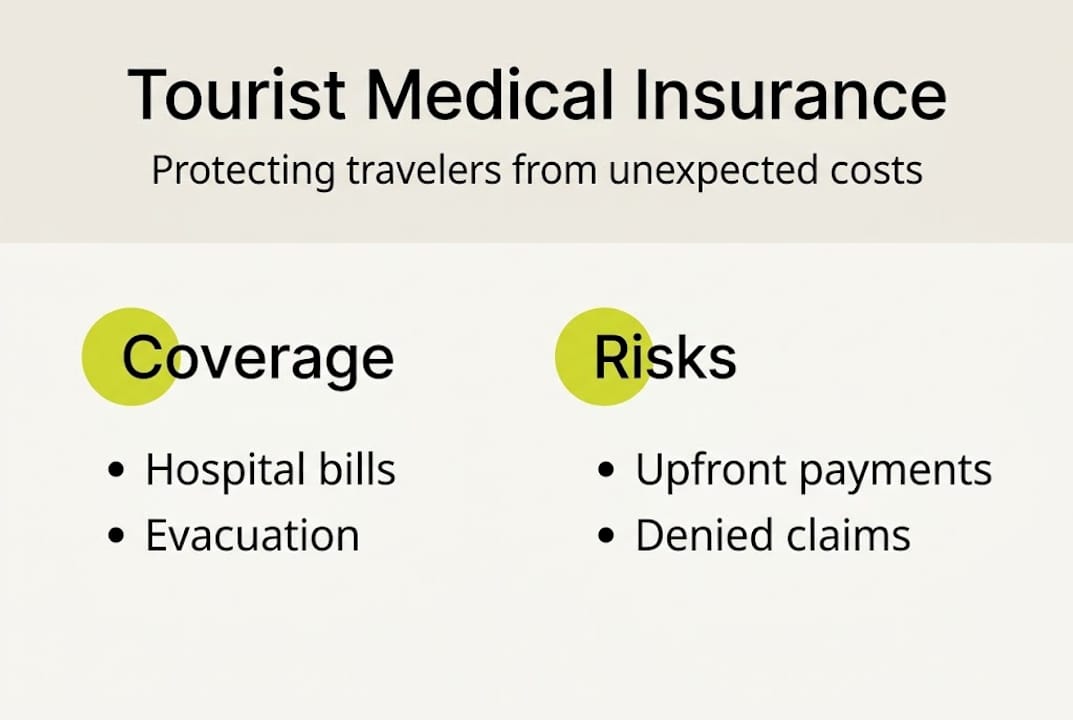
However, travel medical insurance covers emergency treatment and evacuation or repatriation, but typically excludes routine care, pandemic-related claims in some cases, and high-risk activities unless specifically stated in your policy.
Common exclusions to be aware of include:
- Routine check-ups, vaccinations, and planned procedures
- Pre-existing conditions that have not been declared
- Adventure or extreme sports such as skydiving, scuba diving, or mountaineering, unless you pay for a sport-specific add-on
- Pandemic or epidemic-related illnesses in some policy wordings
- Alcohol or drug-related incidents
Here is a quick overview of typical cover limits to help you compare:
| Type of cover | Typical limit |
|---|---|
| Emergency medical treatment | £500,000 to £10,000,000 |
| Medical evacuation | £250,000 to £500,000 |
| Repatriation of remains | £15,000 to £50,000 |
| Emergency dental | £250 to £1,000 |
| Trip cancellation (if included) | £1,500 to £10,000 |
For details on what is covered when accessing medical procedures abroad, it pays to read your policy carefully before you travel. If evacuation concerns you, understanding what is included in emergency evacuation cover is particularly important.
Pro Tip: Always read the “general exclusions” section of your policy first. This single section will tell you more about your actual protection than any marketing summary.
What happens if you skip travel medical insurance
Understanding what insurance offers, consider what can go wrong and how fast costs add up if you travel without cover.
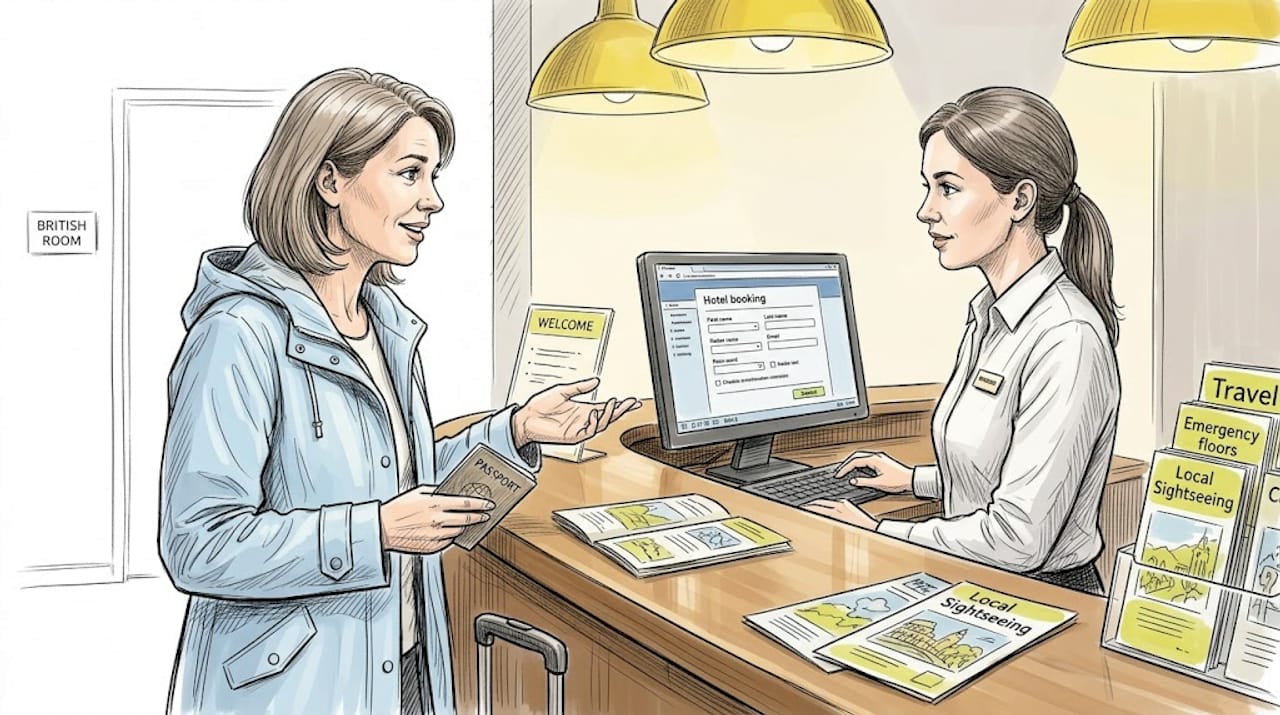
The numbers are striking. 21% of travellers skip insurance despite having pre-existing conditions, and 51% believe they can simply self-pay if something goes wrong. The reality is that medical costs abroad can easily reach six figures, putting homes and life savings at risk.
Here is how a medical emergency without insurance typically unfolds:
- The incident occurs. An accident or sudden illness strikes. You or a travel companion needs immediate medical attention.
- You are taken to hospital. Hospitals in many countries require upfront payment or proof of insurance before treatment beyond emergency stabilisation.
- Bills begin to accumulate. Each day of hospitalisation, each procedure, and each specialist visit adds to the total. In the US, an overnight hospital stay can cost more than £10,000.
- You need to get home. If you cannot fly commercially, a medical evacuation must be arranged and paid for out of pocket.
- Legal and administrative costs emerge. In some countries, there are additional costs for obtaining medical records, translation services, or even legal support if liability is disputed.
- You return home with debt. The financial fallout can take years to resolve, and in worst-case scenarios, families have lost their homes.
“The financial consequences of travelling uninsured are not theoretical. They are real, and they have changed lives permanently. No holiday is worth that risk.”
If you are applying for a visa to visit certain countries, note that insurance for visa applications is often a mandatory requirement, not a recommendation. Reviewing the essential insurance facts before booking your trip will help you avoid both financial and administrative problems.
How to choose the right policy as a tourist
With clarity on the consequences, travellers now need to know how to secure reliable and robust insurance for their trips.
The CDC and U.S. State Department recommend travel health and evacuation insurance to reduce out-of-pocket costs, especially for high-risk areas, travellers with pre-existing conditions, and those going on cruises. This guidance reflects sound, practical advice for all international tourists.
Here is what a reputable policy must include:
- High medical limits: Look for a minimum of £500,000 in emergency medical cover. In high-cost countries like the USA, aim for £1,000,000 or more.
- Medical evacuation cover: This should be at least £250,000 and ideally provided by a global assistance network.
- Clear claims process: The policy should explain exactly how to make a claim, who to call in an emergency, and how reimbursement works.
- 24-hour emergency assistance: A round-the-clock helpline is non-negotiable. You need to be able to reach someone at 3am in a foreign hospital.
- Transparent exclusions list: Any reputable insurer will clearly state what is not covered. If this information is hard to find, that is a red flag.
When comparing policies, watch for these warning signs:
| Green flag | Red flag |
|---|---|
| High medical limits (£500k+) | Very low limits (under £100k) |
| Evacuation cover included | Evacuation sold as separate add-on only |
| Clear exclusions listed | Vague or missing exclusions section |
| 24-hour emergency line | Contact restricted to business hours |
| Pre-existing conditions considered | Blanket exclusion for all conditions |
If you have a health history, look at covering pre-existing conditions carefully. There are policies designed specifically for people with medical histories. Review pre-existing cover rules and compare options to find best cover for health conditions that suits your situation. A helpful external resource on how to choose travel insurance can also guide your comparison process.
Pro Tip: Always disclose your full medical history when applying. Non-disclosure is the single most common reason claims are denied. It is better to pay slightly more for an inclusive policy than to have a claim rejected when you need it most.
A closer look: what most guides miss about medical cover for tourists
Most travel insurance guides focus on what is covered. Fewer focus on what gets your claim denied, and that gap in knowledge costs tourists dearly.
The uncomfortable truth is that claims are most often denied due to non-disclosure of pre-existing conditions, unstable health issues that flared up during travel, and participation in adventure sports not listed in the policy. These are not obscure technicalities. They are standard clauses that insurers apply consistently.
Another overlooked reality is that many foreign hospitals and clinics require upfront payment before treatment, even in emergencies. Your insurer will reimburse you later, but you need to have funds available in the moment. This is why carrying your insurer’s emergency assistance number and a policy summary document is as important as the policy itself.
For adventure travellers or those managing chronic conditions, reviewing pre-medical travel insurance pitfalls is especially worthwhile. The reality is that thoughtful preparation, full disclosure, and careful policy selection will protect you far better than simply purchasing the cheapest option available.
Protect your travels with the right cover
If reading this has made you think about your own upcoming trip, that instinct is worth acting on. Arranging medical insurance before you travel is a straightforward process when you have the right guidance.
At Unparalleled Global Benefits, we specialise in international insurance solutions for tourists, expats, and global travellers. Understanding how travel insurance works is the first step, and our guide to securing cover walks you through everything you need to know before purchasing a policy. If you are travelling on a visitor visa, explore our dedicated resources on cover for visitor visas to find options tailored specifically to your visa status and destination.
Frequently asked questions
Does my credit card provide enough medical coverage for travel?
Credit card insurance often carries very low medical limits and significant exclusions, making it rarely sufficient for international trips where emergency costs can reach six figures. It is best treated as a secondary safety net, not a primary plan.
Are pre-existing medical conditions covered under tourist insurance?
Some policies do cover stable, declared conditions, but many exclude unstable health issues entirely. Always read the fine print and disclose your full medical history when applying to avoid claim denials.
Will travel health insurance cover a COVID-19 infection while abroad?
Coverage varies significantly between providers. Some policies include COVID-19 treatment, but others exclude pandemic illnesses as a standard clause. Always check the specific wording before you purchase.
Is medical evacuation really necessary, or can I just get basic hospital cover?
Medical evacuation is highly recommended, particularly for remote destinations. The CDC and State Department advise evacuation cover specifically to protect against out-of-pocket costs that can easily reach tens of thousands of pounds.
Recommended
- How to Get Medical Insurance Abroad: Your Essential Guide for Expats and Travelers
- Tourist Visa Medical Insurance—Why It Matters – Unparalleled Global Benefits
- Why medical insurance is essential for visa applications – Unparalleled Global Benefits
- Why International Health Insurance is Essential for Every Global Traveler
- Warum Reiseversicherungen für Disneyreisen unverzichtbar sind – 2000-reisen