
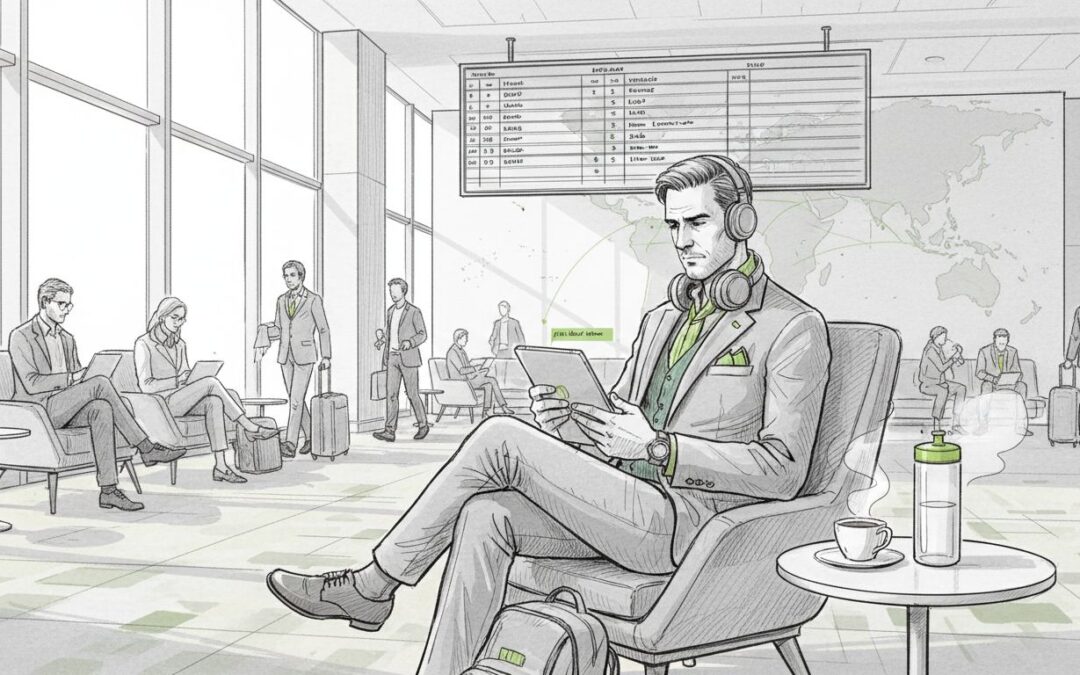
Over 90 percent of international travelers experience jet lag on long journeys. The shift in time zones can leave you draining energy fast and struggling to sleep. Smart planning with proven strategies helps you avoid days lost feeling tired and unfocused. With a few simple adjustments before, during, and after your flight, you can land refreshed and enjoy every moment of your trip instead of fighting fatigue.
Planning a trip for yourself, a resident, or visiting family? UGB + Ekta can arrange travel insurance for seniors up to 100 years old. Just click here: https://ektatraveling.com/?partner_uid=808 and add the promo code “UGB” to receive an additional 10% discount.
Table of Contents
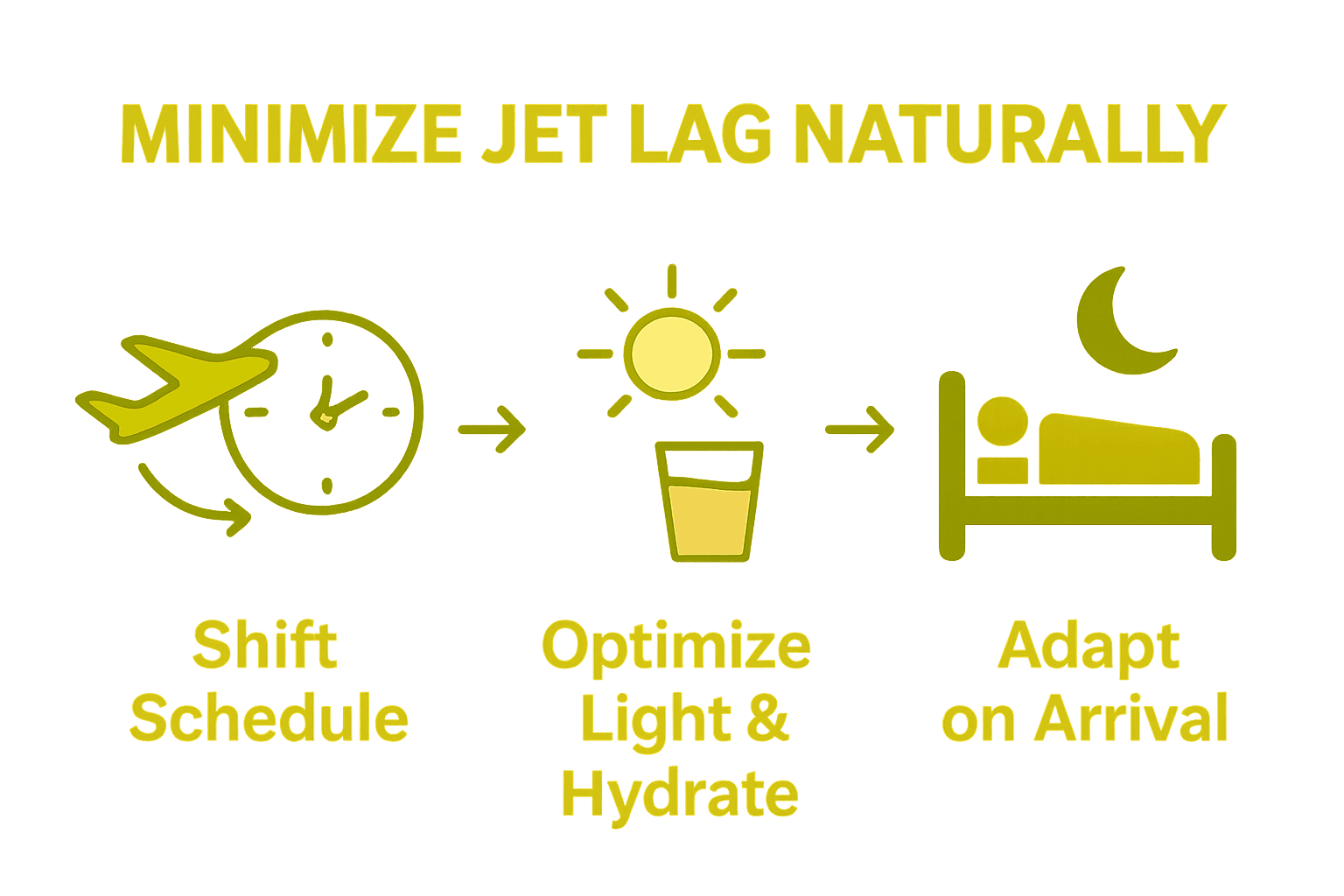
Quick Summary
| Key Point | Explanation |
| 1. Gradually adjust your sleep schedule | Shift your bedtime 30 minutes earlier for 3-5 days before travel to adapt to new time zones more easily. |
| 2. Use light exposure to reset your clock | Spend time in natural sunlight upon arrival to help your body adjust to the local schedule immediately. |
| 3. Stay hydrated and eat wisely | Drink plenty of water and choose nutritious meals to support energy levels and metabolic rhythm during travel. |
| 4. Engage in local time immediately | Start following local time as soon as you arrive, avoiding naps and seeking light exposure to adjust your sleep cycle. |
| 5. Monitor your wellbeing and adjust as necessary | Keep track of your energy and sleep, and consider short naps or recovery days to help during the adjustment period. |
Step 1: Plan your sleep schedule before departure
Mastering your sleep schedule before international travel is crucial for minimising jet lag and ensuring you arrive feeling refreshed and alert. According to Harvard Health, gradually adjusting your sleep routine can significantly reduce the impact of time zone changes.
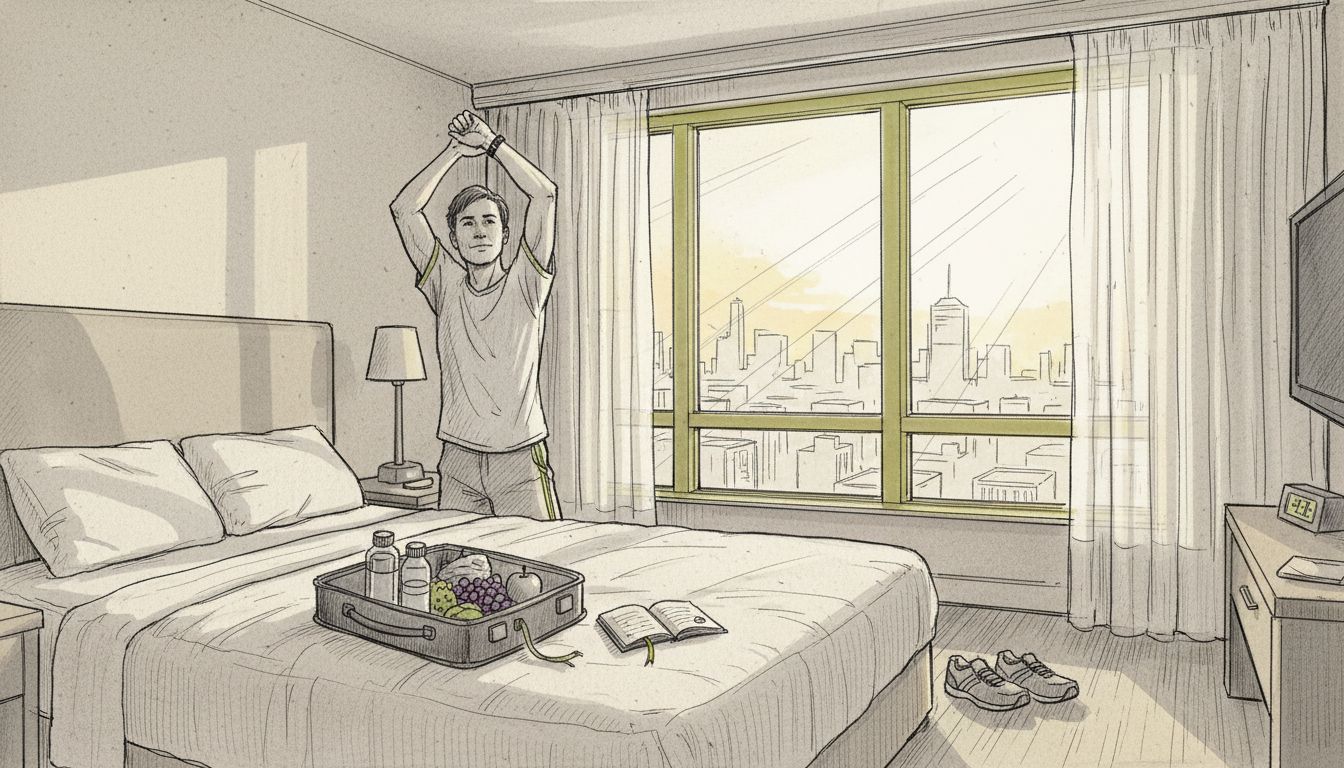
Start preparing 3-5 days before your departure by making incremental shifts to your sleep and wake times. If you are travelling eastward, begin going to bed 30 minutes earlier each night and waking up correspondingly earlier. This strategic approach helps your body slowly adapt to the upcoming time zone. As research from University of Pennsylvania Medical School suggests, shifting your sleep and circadian clock together before travel reduces the need for adjustment upon arrival.
A practical tip is to use natural light exposure to help reset your internal clock. Spend time outside in bright sunlight during the morning hours of your new target sleep schedule. This signals to your body that it is time to adjust, making the transition smoother and more natural. By investing a little time and effort into preparing your sleep rhythm before departure, you can arrive at your destination feeling more balanced and ready to embrace your travel adventures.
Learn more about managing travel health in our guide on global traveller wellness.
Step 2: Adjust your exposure to light while traveling
Managing your light exposure is a powerful strategy for combating jet lag and helping your body synchronise with new time zones. Mayo Clinic confirms that light therapy involving exposure to artificial bright light can effectively help adjust your body’s internal clock when travelling across time zones.
As you travel, be intentional about your light exposure. Upon arrival at your destination, immediately start adapting to the local daylight schedule. If you arrive during daytime, spend time outdoors in natural sunlight to signal to your body that it is time to be awake. Conversely, when it is night time, minimise bright light exposure by using dimmer settings or wearing blue light blocking glasses. This helps trigger your natural melatonin production and supports your sleep cycle.
Interestingly, Stanford Neuroscience research suggests that even short flashes of light during sleep can help shift your internal clock. Consider using specialised light therapy devices or apps that can help you strategically manage your light exposure during travel. By being mindful of light and darkness, you can significantly reduce the disruptive effects of jet lag and help your body adapt more quickly to new environments.
Explore our comprehensive guide on global traveller wellness.
Step 3: Hydrate and eat smart during your journey
Your nutrition and hydration strategy during travel can dramatically impact how well you manage jet lag and maintain your energy levels. Harvard Health emphasises the critical importance of staying hydrated and avoiding dehydrating substances during your flight to minimise jet lag symptoms.
Prioritise water intake throughout your journey. Aim to drink at least 250ml of water for every hour of flying, and avoid alcohol and caffeine which can disrupt your sleep cycle and dehydrate you. Choose light meals that are easy to digest and rich in nutrients. Opt for foods that support your body’s natural rhythm such as fruits, vegetables, lean proteins, and whole grains. If possible, align your meal times with the local time zone of your destination to help your body adjust more quickly.
As recommended by University Hospitals, planning your in flight and arrival nutrition can significantly aid your body in adapting to new time zones. Consider packing healthy snacks like nuts, dried fruits, or protein bars to maintain steady energy levels and support your metabolic rhythm during travel. Remember that smart eating is not just about what you consume but also when you consume it.
Learn more about managing travel wellness in our comprehensive guide.
Step 4: Adapt your routine on arrival immediately
Quickly synchronising with your destination’s local time is crucial for minimising jet lag and helping your body reset its internal clock. Harvard Health recommends strategically using sunlight to help your body adjust more rapidly to the new time zone.
Immediately upon arrival, start living according to the local time zone. If it is daytime when you land, resist the urge to nap and instead engage in light activities. For eastward travel, expose yourself to morning sunlight to help your body wake up earlier. If you have travelled westward, seek out late afternoon sunlight to help extend your wakefulness. Your goal is to align your sleep wake cycle with the local rhythm as quickly as possible.
University Hospitals suggests taking a walk outside as an excellent way to engage with your new environment and help your body adapt. Choose activities that keep you alert but are not overly strenuous. Consider a gentle walk, exploring a nearby park, or sitting in a cafe observing local life. By staying active and exposed to natural light, you signal to your body that it is time to be awake and alert, effectively resetting your internal clock.
Explore our comprehensive guide on global traveller wellness.
Step 5: Monitor your wellbeing and adjust as needed
Listening to your body and remaining flexible during travel is essential for managing jet lag effectively. Mayo Clinic advises that jet lag symptoms typically improve within a few days, but frequent travelers should pay close attention to their physical and mental responses.
Be proactive in tracking your energy levels, sleep quality, and overall health during and after your journey. If you find yourself struggling with excessive fatigue or disrupted sleep patterns, consider taking short power naps but limit them to 20 to 30 minutes to avoid further sleep cycle disruption. Pay attention to signs of extreme exhaustion such as prolonged drowsiness, difficulty concentrating, or mood changes. These could indicate that your body needs more time to readjust.
University Hospitals recommends building in recovery time after your trip. If possible, plan for a buffer day after returning home where you can rest and gradually reintegrate into your normal routine. For frequent travelers experiencing persistent jet lag, consulting a healthcare professional about potential light therapy or short-term sleep aids might provide additional support. Remember that everyone’s body responds differently to travel stress, so be patient and kind to yourself during the adjustment period.
Explore our guide on living a healthier and happier life.
Prepare to Travel with Confidence and Peace of Mind
Jet lag can cloud your excitement for new adventures and undermine your well-being, especially when crossing time zones. This article highlights how adjusting your sleep schedule, managing light exposure, and staying hydrated are key natural strategies to minimise jet lag’s impact. Yet, even the best preparation cannot prevent unexpected health challenges while abroad. That is where having the right international insurance improves not only your security but your peace of mind.

Discover tailored insurance solutions designed for global travellers like you at Unparalleled Global Benefits. Whether you need comprehensive health coverage, travel insurance, or trip cancellation protection, our plans support your well-being throughout your journey. Don’t wait to safeguard your travels. Visit our landing page today to explore personalised options and get a quote. Let us help you travel smarter and healthier with confidence.
Frequently Asked Questions
How can I prepare my sleep schedule to prevent jet lag naturally?
To prepare your sleep schedule, gradually adjust your bedtime and wake-up time 3-5 days before you travel. Shift your schedule by 30 minutes earlier or later each night, depending on your travel direction, to help your body adapt to the new time zone more comfortably.
What should I do about light exposure during my travel to reduce jet lag?
Manage your light exposure by spending time outdoors in natural sunlight upon arrival at your destination. This helps signal your body to adjust to the local daylight schedule and can speed up your adaptation process, especially if you expose yourself to sunlight in the morning or late afternoon depending on your travel direction.
How much water should I drink on a flight to minimize jet lag?
Aim to drink at least 250ml (about a cup) of water for every hour of your flight to stay hydrated. This allows you to remain energized and can reduce the unpleasant symptoms of jet lag, helping you feel better upon arrival.
What types of foods should I eat during my flight to prevent jet lag?
During your flight, opt for light meals that are easy to digest and include fruits, vegetables, lean proteins, and whole grains. Eating nutritious foods aligned with the local meal times can help synchronize your body’s natural rhythm with the new time zone.
How can I quickly adapt my routine when I arrive at my destination?
Immediately upon arrival, sync your activities with the local time by avoiding naps if it’s daytime. Engage in light activities and expose yourself to natural light to signal to your body that it’s time to stay awake and help shift your internal clock to the new time zone.
What should I do if I still feel jet lagged after arriving at my destination?
If you still experience jet lag, listen to your body and consider taking short power naps of 20-30 minutes to recharge without disrupting your sleep cycle further. Pay attention to your energy levels and give yourself time to adjust to the new environment, allowing a few days for full recovery.