

Facing a medical emergency abroad is something every traveller or expat dreads, yet few know just how overwhelming it can become in those crucial first minutes. Suddenly the excitement of your trip is replaced by decisions that can quite literally be life or death. Only 12% of global travellers can confidently list the local emergency number at their destination. Most believe language barriers or unfamiliar systems will be their main problem, but the real challenge is being unprepared when time matters most.
Table of Contents
Quick Summary
| Takeaway | Explanation |
| Recognise critical symptoms | Sudden chest pain, breathing issues, and severe abdominal pain require immediate medical attention. |
| Prepare medical documentation | Carry a translated medical history and emergency contacts to facilitate medical care abroad. |
| Know local emergency numbers | Emergency contacts vary by country; research before travelling to save critical time. |
| Administer basic first aid | While waiting for help, control bleeding and monitor the person’s condition, if trained. |
| Select comprehensive travel insurance | Ensure insurance covers emergency evacuation, chronic conditions, and worldwide medical access for safety. |
Recognising Medical Emergencies Abroad
Travelling abroad offers incredible experiences, but understanding how to recognise and respond to medical emergencies is crucial for every global traveller. Medical emergencies can strike unexpectedly, transforming a dream trip into a potentially life-threatening situation if you are unprepared.
Understanding Critical Warning Signs
Recognising a medical emergency requires quick and accurate assessment of symptoms. The CDC’s Yellow Book recommends travellers understand specific warning signs that demand immediate medical attention. These include sudden chest pain, difficulty breathing, severe abdominal pain, uncontrolled bleeding, loss of consciousness, signs of stroke such as facial drooping or speech difficulty, and high fever with persistent symptoms.
Some critical indicators that warrant urgent medical intervention include:
To help travellers quickly recognise when urgent care is needed, here is a summary of critical warning signs of medical emergencies as discussed in this section.
| Symptom/Sign | Description/Examples |
| Respiratory Distress | Rapid/laboured breathing, bluish skin, wheezing |
| Neurological Symptoms | Sudden confusion, severe headache, inability to move limbs |
| Cardiovascular Signs | Intense chest pain, radiating pain to arms/jaw, irregular heartbeat |
| Loss of Consciousness | Fainting, unresponsiveness |
| Severe Abdominal Pain | Intense, persistent pain in abdomen |
| Signs of Stroke | Facial drooping, speech difficulty |
| Uncontrolled Bleeding | Unable to stop bleeding with pressure |
| High Fever with Persistent Symptoms | Fever that won’t resolve, especially with other serious symptoms |
-
Respiratory Distress: Rapid or laboured breathing, bluish skin colour, or wheezing
-
Neurological Symptoms: Sudden confusion, severe headache, or inability to move limbs
-
Cardiovascular Signs: Intense chest pressure, radiating pain to arms or jaw, or irregular heartbeat
Communication and Preparation Strategies
Effective emergency response begins before you travel. Research from the CDC strongly advises travellers to prepare comprehensive medical documentation. This includes carrying a detailed letter from your healthcare provider listing active medical conditions, current medications, allergies, and blood type. Consider translating this document into the local language of your destination to facilitate faster medical communication.
For expats and long-term travellers, additional preparation is essential. Learn basic medical terminology in the local language, identify reputable medical facilities near your accommodation, and understand local emergency service protocols. Consider our comprehensive guide on medical evacuation procedures for advanced planning strategies.
Key preparation steps include:
For those preparing to travel or live abroad, use the following checklist table to organise key medical readiness tasks as recommended in the article.
| Preparation Step | Status (Tick if Complete) | Notes (e.g., Language, Provider) |
| Translated Medical Documentation | [ ] | |
| Emergency Contact Record | [ ] | |
| Insurance Verification | [ ] | Provider/Policy #: |
| Local Medical Phrase Learning | [ ] | Which language?: |
| Identified Nearby Health Facility | [ ] | Name/Address: |
| First Aid Kit Prepared | [ ] | Contents checked: |
| Travel Vaccinations Done | [ ] | Details/date: |
This checklist can help you track your progress and ensure comprehensive emergency preparedness before your journey.

-
Medical Documentation: Carry translated medical history and emergency contact information
-
Language Preparation: Learn critical medical phrases in the local language
-
Insurance Verification: Confirm international medical coverage and emergency evacuation options
Understanding cultural differences in medical response is equally important. Emergency services, hospital procedures, and patient care can vary significantly between countries. Some regions might prioritize different diagnostic approaches or have limited medical resources. Being adaptable and remaining calm can significantly improve your chances of receiving appropriate medical care during an emergency abroad.
Essential First Steps in an Emergency
When a medical emergency strikes abroad, your immediate actions can significantly impact the outcome. Knowing precisely what to do can mean the difference between life and death, especially when you are far from familiar healthcare systems and support networks.
Assessing the Scene and Immediate Safety
MedlinePlus recommends a critical first step of checking the scene for safety before approaching any medical emergency. This means ensuring that you are not putting yourself at risk while attempting to help someone else. Look for potential hazards such as ongoing traffic, electrical risks, unstable structures, or potential violence that could compromise your own safety.
If the scene appears safe, proceed with these fundamental steps:
-
Check Responsiveness: Tap the person and ask loudly if they are okay
-
Call Emergency Services: Dial local emergency numbers immediately
-
Perform Initial Assessment: Check breathing and signs of life
Communication and Emergency Protocols
Effective communication becomes paramount during international medical emergencies. Before travelling, research the local emergency service numbers for your destination. Not all countries use 911, and knowing the correct number can save critical minutes. Our guide on medical evacuation procedures provides comprehensive information on navigating emergency protocols in different regions.
When calling emergency services, remain calm and provide clear information:
-
State your exact location
-
Describe the medical condition
-
Explain the person’s current state
-
Answer dispatcher questions precisely
-
Do not hang up until instructed
Administering Basic First Aid
While waiting for professional medical help, basic first aid can be crucial. If you are trained, assess the situation and provide appropriate care. This might include controlling bleeding, performing CPR, or managing shock. However, if you are not professionally trained, focus on keeping the person comfortable and monitoring their condition.
Carry a basic first aid kit that includes essential items like sterile bandages, antiseptic wipes, pain relievers, and any personal medications. Remember that your primary goal is to stabilise the situation until professional medical help arrives. Avoid attempting medical procedures beyond your training, as this could potentially cause more harm.
Understand that medical emergencies can be particularly challenging when you are in a foreign environment. Language barriers, unfamiliar healthcare systems, and cultural differences can complicate your response. Stay composed, follow local emergency protocols, and prioritise getting professional medical assistance as quickly as possible.
Accessing Help and Local Medical Services
Navigating medical services in a foreign country can be challenging, particularly during a health crisis. Understanding how to access appropriate medical care efficiently can significantly impact your health outcomes and overall travel experience.
Identifying Reliable Healthcare Facilities
Before travelling, research the healthcare infrastructure of your destination. World Health Organization recommends creating a comprehensive list of reputable medical facilities, including hospitals, clinics, and emergency centres. Look for international or English-speaking medical centres that can provide high-quality care and communicate effectively.
Consider these strategies for identifying reliable healthcare:
-
Hospital Credentials: Verify hospital accreditations and international standards
-
English-Speaking Staff: Confirm availability of multilingual medical professionals
-
Emergency Department Capabilities: Understand the scope of emergency services
Understanding Local Healthcare Systems
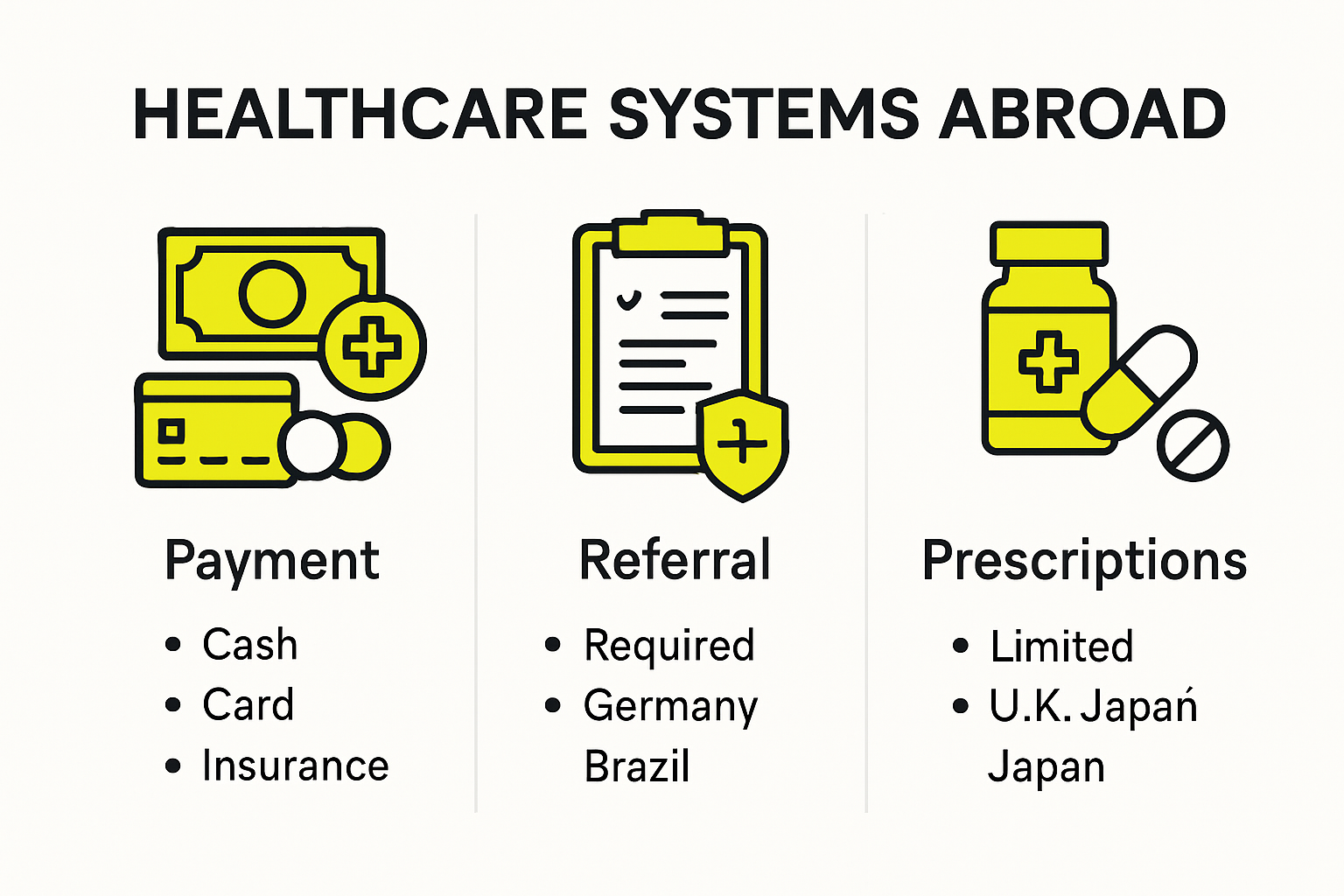
Healthcare systems vary dramatically between countries. International Association for Medical Assistance to Travellers provides detailed insights into different healthcare structures worldwide. Some countries have socialised medical systems, while others rely on private healthcare. Understanding these nuances can help you navigate medical services more effectively.
Key considerations include:
-
Payment Methods: Determine whether cash, credit cards, or international insurance are accepted
-
Referral Requirements: Learn if specialist consultations require prior referrals
-
Prescription Regulations: Understand local rules about medication procurement
Communication and Documentation
Effective communication is crucial when accessing medical services abroad. Our guide on international medical navigation offers comprehensive strategies for overcoming language barriers. Prepare a medical information card translated into the local language, containing critical health details like chronic conditions, allergies, and current medications.
Carry multiple copies of:
-
Medical History Summary: Translated medical records
-
Insurance Documentation: Proof of international medical coverage
-
Emergency Contact Information: Local and international contact details
Remember that some countries might have different medical protocols or treatment approaches. Remain open-minded and respectful of local medical practices while advocating for your health needs. If possible, connect with local expat communities or international medical centres that understand the unique challenges of healthcare access for travellers.
Special Tips for Expats and Travellers
Expats and long-term travellers face unique medical challenges that require specialised preparation and strategic planning. Understanding these nuanced considerations can significantly enhance your ability to manage health emergencies while living or travelling abroad.
Comprehensive Medical Preparation
International SOS recommends that expats develop a robust medical preparedness strategy that goes beyond standard travel advice. This involves creating a comprehensive health profile that includes detailed medical history, current medications, vaccination records, and potential health risks specific to your destination.
Key elements of medical preparation include:
-
Medical Records: Maintain digital and physical copies of medical documents
-
Medication Management: Carry sufficient prescription medications with original labels
-
Health Risk Assessment: Research destination-specific health threats and preventive measures
Insurance and Financial Protection
Navigating international healthcare requires more than just medical knowledge. Our comprehensive guide on travel insurance types highlights the critical importance of selecting appropriate medical coverage. Expats should invest in international health insurance that provides comprehensive protection, including emergency medical evacuation, repatriation services, and coverage for pre-existing conditions.
Consider these insurance strategies:
-
Global Coverage: Select policies with worldwide medical network
-
Evacuation Services: Ensure coverage includes medical transportation
-
Comprehensive Protection: Look for policies covering chronic conditions
Cultural and Linguistic Adaptations
Successful medical navigation abroad requires more than just financial preparation. Centers for Disease Control and Prevention emphasises the importance of cultural competence and linguistic preparation. Learn key medical terminology in the local language, understand local healthcare customs, and develop strategies for effective communication with healthcare providers.
Effective adaptation strategies include:
-
Language Preparation: Learn medical phrases and basic health communication
-
Cultural Sensitivity: Understand local medical etiquette and practices
-
Communication Tools: Utilize translation apps and medical communication cards
Expats and frequent travellers must remain proactive about their health. This means regular health check-ups, maintaining updated vaccinations, and staying informed about potential health risks in your destination. Develop a network of trusted healthcare professionals, both locally and internationally, who understand your unique medical history and travel lifestyle.
Remember that medical emergencies do not follow a predictable schedule. Your preparedness can make the difference between a manageable situation and a potentially dangerous healthcare challenge. Stay informed, remain flexible, and prioritise your health as a fundamental aspect of your global lifestyle.
Frequently Asked Questions
How can I recognise a medical emergency while travelling?
Understanding critical symptoms such as sudden chest pain, difficulty breathing, or severe abdominal pain is essential. If you notice any of these signs, seek immediate medical attention.
What should I keep in my medical documentation while travelling?
It’s important to carry a translated medical history that includes your active medical conditions, current medications, allergies, and blood type. This documentation will help facilitate communication with healthcare providers in emergencies.
How do I find local emergency services abroad?
Before travelling, research the local emergency service numbers for your destination, as they can vary by country. Knowing the correct number can save vital time in an emergency.
What basic first aid steps should I know for emergencies?
Learn to perform initial assessments such as checking responsiveness and breathing. If trained, you can also manage basic first aid such as controlling bleeding or performing CPR while waiting for professional help.
Safeguard Your Health When Abroad with Peace of Mind
Every moment counts when you face a medical emergency as an expat or traveller. The article clearly highlights the panic that arises from not knowing local emergency numbers, struggling with language barriers, and racing against the clock to access trusted care. If you have ever worried about losing precious minutes in a crisis or feeling overwhelmed by unfamiliar healthcare systems, you are not alone. Your best protection is to prepare before an emergency begins. That is where comprehensive cover tailored for global citizens truly matters.
Do not let uncertainty or lack of preparation put your health at risk. With Unparalleled Global Benefits, you gain immediate access to world-class expat medical and travel insurance designed for challenging situations abroad. Read more about choosing the right cover for you on our homepage and explore how our solutions help you navigate emergencies with confidence. Take action now while you have time to prepare. Your future self will thank you for it.
Recommended
-
Medical Evacuation Procedures: A Guide for Travellers and Expats – Unparalleled Global Benefits
-
What Is Accident Coverage? Essential Guide for World Travellers – Unparalleled Global Benefits
-
Qué hacer en caso de accidente en el extranjero 2025 – Unparalleled Global Benefits
-
Travel Safety Essentials: Protect Yourself and Your Belongings – Yopki
-
Travel Insurance vs Car Insurance: Key Differences for 2025 – Savvy Insurance