

TL;DR:
- Domestic health plans often do not cover medical emergencies abroad, creating costly gaps.
- Travel medical insurance offers direct hospital billing, evacuation, repatriation, and 24/7 support.
- Proper coverage ensures financial protection and stress-free access to quality care worldwide.
Falling ill abroad without proper cover is one of the most financially devastating experiences a traveller or expatriate can face. Your domestic health plan, regardless of how premium it may be, rarely covers you overseas. A single hospitalisation in the United States, Japan, or Switzerland can cost tens of thousands of pounds. This article walks you through the core benefits of travel medical insurance, why your home policy almost certainly leaves a dangerous gap, and how specialised cover can protect your health, your finances, and your peace of mind wherever you are in the world.
Table of Contents
- Why you need travel medical insurance: the coverage gap explained
- Core benefits of travel medical insurance
- Additional advantages: support, claims, and peace of mind
- Comparison: travel medical insurance versus domestic health plans
- Our perspective: the overlooked value of travel medical insurance
- How to choose the right cover: explore your options
- Frequently asked questions
Key Takeaways
| Point | Details |
|---|---|
| Domestic cover gaps | Most home health plans do not pay for care abroad, making dedicated travel medical insurance essential. |
| Emergency protection | Travel medical insurance provides urgent care, evacuation, and repatriation cover many standard policies lack. |
| Practical support | With 24/7 assistance hotlines and direct billing, insurers help you access and pay for care anywhere in the world. |
| Stress reduction | Comprehensive cover means less worry and full focus on your journey, not medical costs. |
Why you need travel medical insurance: the coverage gap explained
Most people assume their existing health insurance will follow them abroad. That assumption is both common and costly. The reality is that domestic US plans like Medicare do not cover you outside the country, and the US government does not pay medical costs for its citizens overseas. Similar gaps exist for health schemes in the UK, Australia, and across Europe, where reciprocal agreements are limited and frequently do not apply to long-term stays or non-emergency treatment.
This matters enormously because medical costs in many popular destinations are extraordinarily high. A simple emergency room visit in the United States can exceed £3,000. An air ambulance evacuation from a remote location in Southeast Asia to a major hospital can cost upwards of £50,000. Without dedicated cover, you bear every pound of that cost personally.
Here is what domestic health plans commonly fail to provide when you travel:
- International emergency treatment: Most home policies exclude care received outside your home country or a defined network region.
- Medical evacuation: Transporting you to a facility equipped to treat your condition is rarely included in domestic plans.
- Repatriation: Flying you home for further care or, in the worst case, returning remains to your home country is almost never covered.
- Direct hospital billing: Home insurers typically reimburse you after the fact, meaning you must pay upfront, often in a foreign currency.
- 24/7 multilingual support: Navigating a foreign healthcare system alone, in an unfamiliar language, is an ordeal your home insurer is not equipped to help with.
Understanding why travel medical insurance matters is the first step towards protecting yourself properly. It is also worth reviewing the difference between travel and health insurance to understand precisely which risks each type of policy addresses.
Core benefits of travel medical insurance
Travel medical insurance is purpose-built for the situations your home policy ignores. Understanding what it actually covers helps you appreciate how significant the protection truly is.
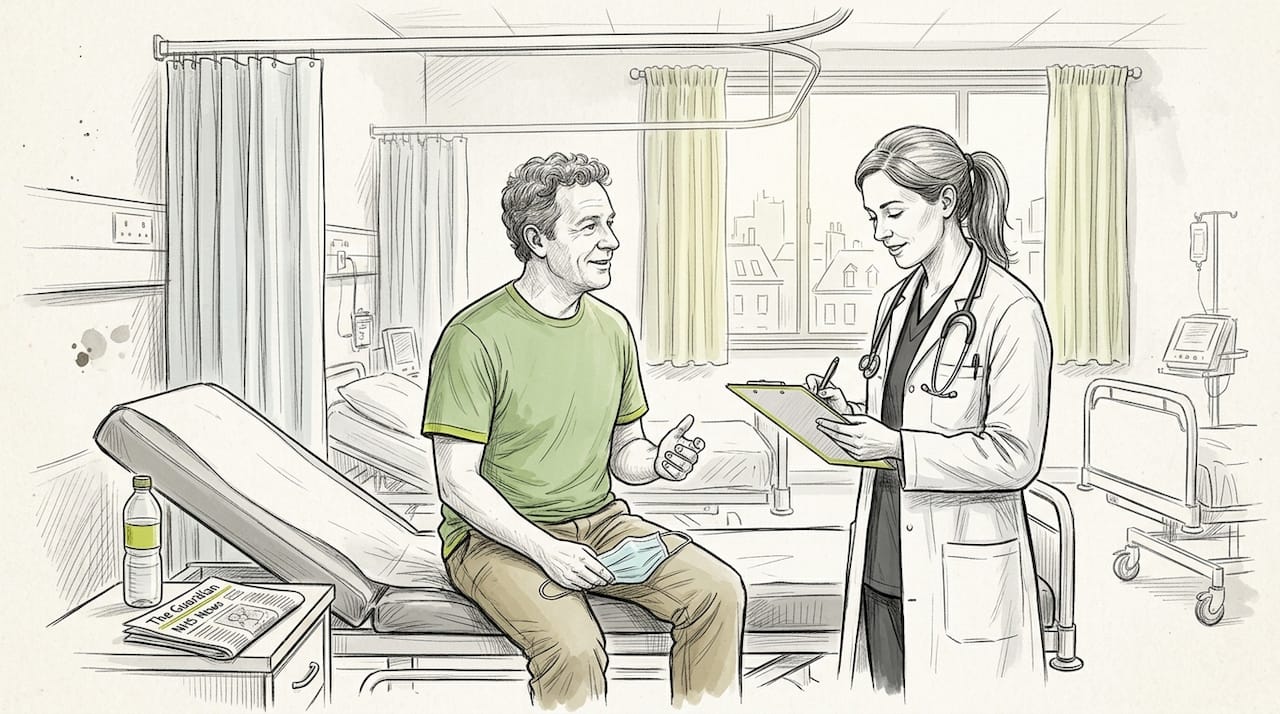
Emergency medical treatment is the foundation. This includes hospital visits, surgery, specialist consultations, diagnostic tests, and prescription medications. If you are admitted to hospital in a foreign country, your insurer handles the costs directly rather than leaving you to negotiate bills in an unfamiliar currency.
Medical evacuation is perhaps the most underappreciated benefit. If you suffer a serious injury or illness in a location where local medical facilities cannot provide adequate care, your insurer arranges and funds transport to the nearest appropriate hospital. This could mean a helicopter, a specially equipped aircraft, or a ground ambulance. The cover for evacuation and repatriation is a feature almost no domestic health plan includes.
Repatriation takes things a step further. Once you are stable, your insurer can arrange to bring you home for ongoing care or recovery, covering all associated transport and medical escort costs.
Beyond these core protections, the benefits extend further:
- Prescription medication coverage: Many plans cover medications prescribed during your treatment abroad.
- Dental emergencies: Acute dental pain or injury is frequently included, though cosmetic treatment is not.
- Mental health support: A growing number of policies now include crisis counselling or mental health referrals.
- Trip interruption due to medical emergency: Some plans reimburse non-refundable travel costs if illness forces you to cut your journey short.
Pro Tip: When reviewing policies, always check the medical evacuation limit separately. Some plans set this as low as £50,000, which may not be sufficient for a long-haul evacuation. Aim for a policy with at least £250,000 in evacuation cover.
For a thorough overview, the travel health insurance guide is an excellent starting point, and if you are considering procedures planned abroad, insurance for medical procedures abroad covers that specific scenario in detail.
Additional advantages: support, claims, and peace of mind
The financial protections are important, but the operational support that comes with travel medical insurance is equally valuable. When you are unwell in a foreign country, the last thing you need is to be managing logistics alone.
Leading insurers provide 24/7 assistance and direct billing, meaning they communicate directly with hospitals on your behalf, removing the administrative burden from you entirely. This is genuinely transformative when you are stressed, unwell, or dealing with a language barrier.
Here is what that practical support looks like in action:
- Hospital referrals: Your insurer can direct you to the most appropriate and reputable medical facility nearby.
- Language translation: Multilingual support teams help you communicate with local medical staff accurately.
- Prescription coordination: If you need ongoing medication, your insurer can help source it locally.
- Claims processing: Digital submission means you can upload receipts and documentation from your phone, often receiving decisions within days.
- Family notification: In a serious emergency, your insurer can contact your next of kin on your behalf.
“The real value of travel medical insurance is not just financial. It is knowing there is someone in your corner at 3am in a foreign hospital who speaks the language, knows the system, and is working to get you the best possible care.”
This kind of support is particularly vital for expatriates and long-stay travellers who are not simply passing through but are living within unfamiliar healthcare systems for months or years. Understanding how to get medical insurance abroad and learning to navigate medical coverage abroad confidently are skills that can genuinely protect your wellbeing in the long term.
Comparison: travel medical insurance versus domestic health plans
To make the decision clearer, it helps to see the differences laid out directly. The table below shows how these two types of cover compare across the features that matter most to international travellers and expats.
| Feature | Travel medical insurance | Domestic health plan |
|---|---|---|
| International emergency treatment | Included | Rarely covered |
| Medical evacuation | Included | Almost never covered |
| Repatriation to home country | Included | Not included |
| 24/7 multilingual helpline | Included | Not included |
| Direct hospital billing abroad | Common | Rarely available |
| Overseas prescription cover | Often included | Excluded |
| Pre-existing condition options | Available on specialist plans | Domestic use only |
| Dental emergency cover | Often included | Usually excluded abroad |
The contrast is striking. Travel medical insurance provides cover precisely where domestic policies stop. This is not a minor gap. It is the difference between receiving care and being left without options.
When weighing your options, consider these key factors in order:
- Destination risk: Some countries have extremely high medical costs regardless of treatment complexity.
- Trip duration: The longer you are away, the greater the statistical likelihood of a medical event.
- Your age and health: Older travellers and those with existing conditions face higher risk and should prioritise robust cover.
- Activities planned: Adventure sports, diving, or remote trekking carry elevated injury risk not covered by all standard plans.
- Existing domestic cover: Verify exactly what your home plan covers internationally before assuming any protection exists.
For a detailed breakdown of how these policy types differ, the difference between health and travel insurance article is well worth your time.
Our perspective: the overlooked value of travel medical insurance
In our experience working with expatriates and international travellers, the people most likely to skip travel medical insurance are those who have never needed it. That logic is understandable but backwards. The people who have experienced a medical emergency abroad almost universally say the same thing: they would never travel without proper cover again.
The financial cost of a crisis is only part of the story. The emotional toll of being ill, alone, in an unfamiliar country, without a support network or a clear path to care, is something no price tag fully captures. We have seen travellers face enormous out-of-pocket bills and months of administrative battles trying to seek reimbursement from domestic insurers who were never designed to help them.
Skipping insurance to save money is a false economy. The cost of a solid travel medical plan is almost always a fraction of a single emergency treatment. And beyond the money, the reassurance of knowing you have essential insurance protection in place allows you to focus fully on your travels, your work, or your new life abroad. That peace of mind has genuine, measurable value.
How to choose the right cover: explore your options
Choosing the right travel medical insurance starts with an honest assessment of your situation: how long you will be away, which countries you will visit, and whether you have any pre-existing conditions that require specialist cover.
At Unparalleled Global Benefits, we specialise in matching travellers and expatriates with policies that genuinely fit their needs. Whether you are exploring the types of expat insurance available, comparing international expat health insurance plans, or ready to review our top insurers list, we are here to help you make a confident, informed decision. Do not wait for an emergency abroad to discover the gaps in your cover.
Frequently asked questions
Does travel medical insurance cover COVID-19 treatment abroad?
Many modern policies include COVID-19 treatment, but coverage specifics vary by plan, so always verify before purchasing. Look specifically for language confirming infectious disease cover.
Is travel medical insurance required for entry to all countries?
Not every country requires it, but some mandate insurance for visa issuance, particularly for the Schengen Area and certain long-stay visas. Always check entry requirements for your specific destination well in advance.
How does travel medical insurance differ from regular travel insurance?
Travel medical insurance focuses on health emergencies and treatment, while standard travel insurance typically addresses trip cancellation, delays, and lost baggage rather than medical costs.
Can I buy travel medical insurance after departing my home country?
Most providers require you to purchase cover before leaving home, though a small number of specialist insurers do offer post-departure options, usually with a waiting period before benefits activate.
Recommended
- International Travel Medical Insurance – Why It Matters for Expats – Unparalleled Global Benefits
- Top 5 Benefits of Expat Medical Insurance for Global Citizens – Unparalleled Global Benefits
- Why expats need travel insurance: Essential protection – Unparalleled Global Benefits
- Understanding Travel Insurance for Expats: A Clear Guide – Unparalleled Global Benefits
- Navigating Workers’ Compensation Insurance for Travelers with DiamondBack Insurance: Instant, Efficient, and Comprehensive – Diamondback Insurance – Solutions with Instant Online Quotes