

Many seniors believe domestic travel insurance is unnecessary or that age limits automatically exclude them from proper coverage. In reality, comprehensive policies specifically designed for older travellers exist, offering robust protection for medical emergencies, trip disruptions, and baggage loss within the UK. Understanding policy terms, age limits, and pre-existing condition clauses empowers you to secure reliable coverage for your domestic journeys in 2026.
Table of Contents
- Understanding The Importance Of Comprehensive Coverage For Seniors
- Navigating Policy Terms: Age Limits And Medical Condition Coverage
- Comparing Domestic Travel Insurance Options For Seniors
- Tips For Selecting The Right Domestic Travel Insurance As A Senior
- Explore Top Domestic Travel Insurance Plans For Seniors
- Frequently Asked Questions
Key takeaways
| Point | Details |
|---|---|
| Comprehensive coverage is essential | Medical emergencies, baggage protection, and trip cancellations require tailored insurance for seniors. |
| Age limits vary significantly | Many policies cover travellers aged 99 years and beyond, though terms differ. |
| Pre-existing conditions need disclosure | Accurate medical history prevents claim denials and ensures proper coverage. |
| Premiums increase with age | Shopping around helps find affordable options balancing cost and protection. |
| Policy definitions matter | Understanding terms like ‘close relative’ and ‘pre-existing’ avoids surprises. |
Understanding the importance of comprehensive coverage for seniors
Travelling domestically might feel safer than international trips, but medical emergencies remain a serious concern for older travellers. Age brings increased health risks, and even routine conditions can escalate quickly when you’re away from your regular healthcare providers. Comprehensive trip protection, coverage for medical expenses, and baggage protection are crucial for seniors’ travel insurance.
Medical emergencies during domestic travel often catch seniors off guard. You might assume NHS coverage eliminates the need for additional insurance, but unexpected ambulance costs, specialist consultations, or emergency accommodation for travelling companions can mount rapidly. A sudden heart issue or fall requiring hospitalisation could derail your entire trip and create substantial financial stress.
Baggage delays or losses affect seniors uniquely. Medications, mobility aids, or essential medical equipment in lost luggage create immediate health risks beyond mere inconvenience. Comprehensive coverage ensures rapid replacement of critical items and compensates for delayed essentials.
Trip cancellations and interruptions impact older travellers differently than younger demographics. Fixed-schedule plans, non-refundable bookings, and health concerns make last-minute changes particularly costly. Consider these coverage essentials:
- Emergency medical treatment including hospitalisation
- Ambulance and emergency transport costs
- Trip cancellation due to illness or family emergencies
- Baggage loss, delay, or damage
- Emergency accommodation for companions
“Seniors face heightened vulnerability during travel disruptions. Comprehensive insurance transforms potential crises into manageable inconveniences, providing financial protection and peace of mind.”
Pro Tip: Review your existing health insurance carefully. Some policies provide limited coverage outside your home region, but supplemental travel insurance fills critical gaps for seniors with complex medical needs.
For those planning international journeys, best travel insurance for seniors abroad offers specialised guidance on navigating global coverage options.
Navigating policy terms: age limits and medical condition coverage
Age limits create confusion and anxiety for older travellers researching insurance options. Contrary to common belief, most travel insurers have age limits which vary by policy, but many will cover travellers aged 99 years and beyond. This wide variation means shopping around remains essential for seniors seeking comprehensive protection.
Pre-existing condition definitions represent the single biggest source of claim denials for older policyholders. Pre-existing conditions are a major source of claim denials in travel insurance claims, particularly for seniors. Insurers define these conditions differently, creating a minefield for travellers with chronic health issues.
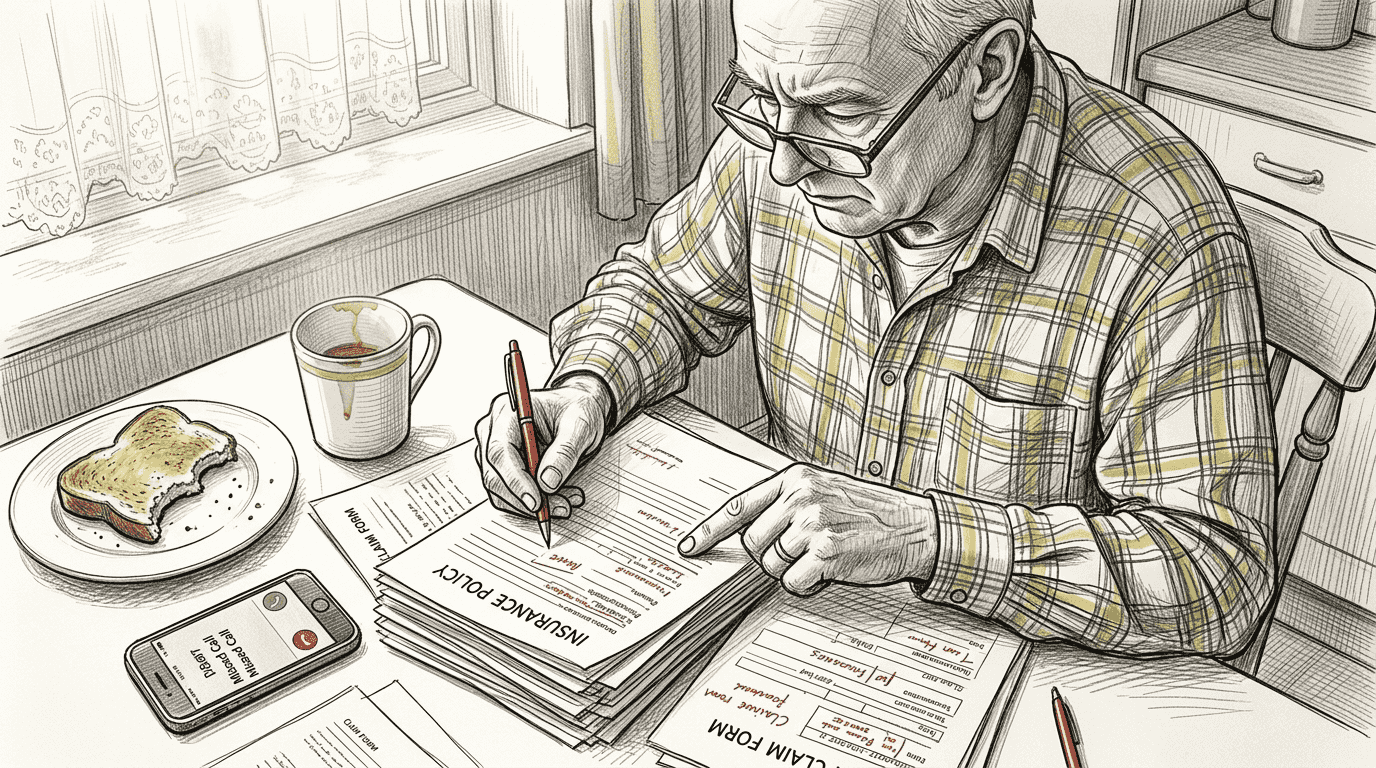
Some policies exclude any condition you’ve experienced in the past five years, whilst others focus on stability windows of three to six months. A condition is typically considered stable if you haven’t changed medications, required new treatments, or experienced symptom changes during this period. Misunderstanding these definitions leads to devastating claim denials when you need coverage most.
The term ‘close relative’ also varies significantly between policies. Some insurers limit this to immediate family, whilst others include extended relatives whose illness could trigger cancellation coverage. Reading fine print prevents unpleasant surprises when claiming for trip interruptions due to family emergencies.
Key considerations when evaluating policy terms:
- Maximum age limits and whether trip length restrictions apply
- Stability period requirements for pre-existing conditions
- Specific exclusions listed in the policy document
- Definition of ‘close relative’ for cancellation coverage
- Medical screening processes and declaration requirements
Pro Tip: Ring insurers directly before purchasing to discuss specific medical conditions. Written confirmation of coverage terms provides valuable documentation if claims disputes arise later.
Understanding travel insurance medical conditions helps you navigate complex policy language and secure appropriate coverage for your health profile.
Comparing domestic travel insurance options for seniors
Evaluating insurance providers requires systematic comparison of coverage features, age limits, and pre-existing condition policies. The guide evaluated and compared coverage from 15 major travel insurance providers considering key factors relevant to seniors, highlighting substantial variation in policy terms and pricing structures.
Medical coverage limits vary dramatically between providers. Some offer £1 million in emergency medical coverage, whilst budget options cap coverage at £100,000. For seniors with existing health concerns, higher limits provide crucial protection against catastrophic medical costs during domestic travel.
Emergency evacuation benefits become increasingly important for older travellers visiting remote UK destinations. Policies covering air ambulance transport or emergency repatriation to your home region can mean the difference between proper treatment and dangerous delays.
| Provider Feature | Budget Option | Mid-Range Option | Premium Option |
|---|---|---|---|
| Maximum Age | 75 years | 85 years | 99+ years |
| Medical Coverage | £100,000 | £500,000 | £1,000,000+ |
| Pre-existing Conditions | Limited/excluded | Declared with screening | Comprehensive with assessment |
| Trip Length Limit | 14 days | 31 days | 90 days |
| Emergency Evacuation | Not included | £25,000 | Unlimited |
| Baggage Coverage | £500 | £1,500 | £3,000 |
Pre-existing condition coverage represents the most significant policy differentiator. Some insurers categorically exclude all pre-existing conditions, whilst others offer tailored coverage following medical screenings. A third category provides automatic coverage for stable conditions meeting specific criteria.
Trip length limits affect seniors planning extended domestic holidays or multiple short breaks. Some policies restrict coverage to 14-day trips for travellers over 80, whilst others permit 90-day journeys regardless of age. Checking these limitations prevents coverage gaps during longer travels.
Key comparison factors:
- Maximum age acceptance and any age-based trip restrictions
- Medical coverage limits and emergency evacuation benefits
- Pre-existing condition assessment processes
- Baggage and personal belongings protection levels
- Customer service reputation and claims processing speed
Pro Tip: Request policy documents before purchasing to review exclusions carefully. Marketing materials often highlight benefits whilst burying critical limitations in fine print.
For detailed guidance on evaluation methods, compare travel insurance for seniors provides systematic frameworks for assessing policy value.
Tips for selecting the right domestic travel insurance as a senior
Starting your insurance search early provides time for thorough comparison and medical screenings if required. The older you are, the more you’ll pay for travel insurance, with premiums skyrocketing for travellers from about 60 years. Early quotes allow you to budget accurately and explore multiple providers before committing.
Accurate health disclosure forms the foundation of valid insurance coverage. Withholding medical information might reduce premiums initially but guarantees claim denials when you need coverage most. Insurers access medical records during claims investigations, making undisclosed conditions immediately apparent.
Follow this systematic selection process:
- List all current medical conditions and medications before requesting quotes.
- Compare at least five providers focusing on coverage details, not just price.
- Verify your specific health conditions receive coverage under policy terms.
- Check trip length limits match your planned travel duration.
- Confirm emergency medical evacuation coverage for remote destinations.
- Review customer service ratings and claims processing reputation.
- Read policy documents completely before purchasing.
Coverage priorities matter more than premium savings. A policy costing £20 less but excluding your heart condition provides zero value when you experience cardiac issues during travel. Focus on comprehensive protection matching your health profile rather than chasing the lowest price.
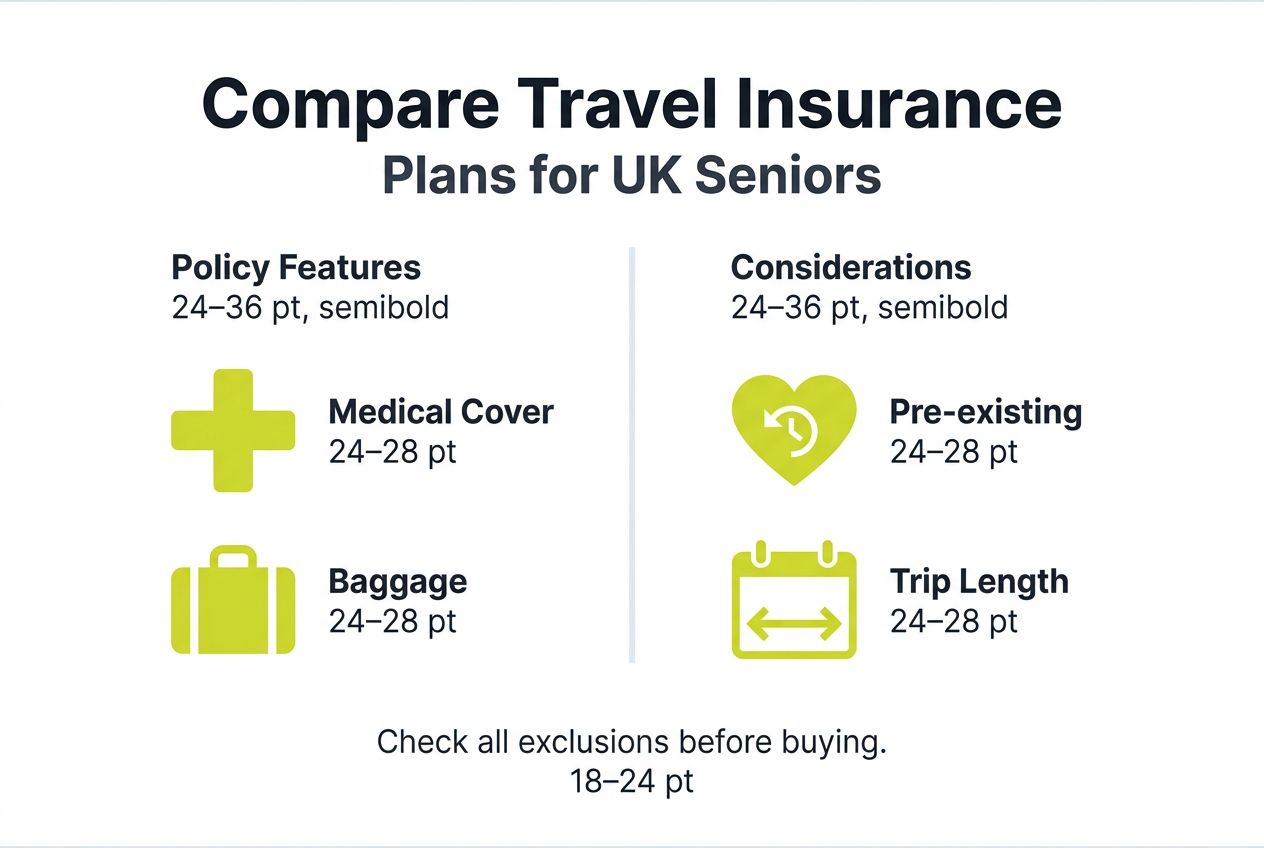
Trip length considerations affect policy selection significantly. If you’re planning multiple short breaks rather than one extended holiday, annual multi-trip policies often provide better value than single-trip coverage. Compare total costs across your planned travel for the year.
Pro Tip: Document all conversations with insurers regarding medical conditions. Email confirmations of coverage discussions create valuable evidence if disputes arise during claims processing.
Exploring budget travel insurance for seniors tips reveals cost-saving strategies without compromising essential coverage.
Explore top domestic travel insurance plans for seniors
Securing appropriate travel insurance shouldn’t feel overwhelming or confusing. Unparalleled Global Benefits specialises in tailored insurance solutions for seniors travelling within the UK, offering comprehensive coverage that addresses your unique needs and health considerations.

Our platform connects you with top domestic travel insurers providing coverage for pre-existing conditions, emergency medical situations, and trip protection designed specifically for older travellers. Expert comparison tools simplify decision-making by highlighting policy differences that matter most to seniors.
Whether you need basic travel insurance for seniors for short breaks or comprehensive protection including travel insurance for elderly with medical conditions, our personalised quote system matches your health profile with appropriate coverage options. Review plans today and secure peace of mind for your upcoming domestic journeys.
Frequently asked questions
What is domestic travel insurance for seniors?
Domestic travel insurance provides coverage for trips within your home country, specifically tailored to address health and age-related risks facing older travellers. Typical policies include emergency medical treatment, trip cancellation protection, baggage loss coverage, and emergency evacuation benefits. Seniors benefit from specialised terms acknowledging increased health vulnerabilities and unique travel needs compared to younger demographics.
How do age limits affect seniors’ travel insurance options?
Most insurers cover seniors up to 99 years or higher, though specific age limits vary significantly between providers. Some policies impose trip length restrictions or charge substantially higher premiums as age increases. Comparing multiple providers helps identify insurers offering favourable age terms for your demographic.
Are pre-existing medical conditions covered in domestic travel insurance?
Coverage varies widely depending on the insurer and specific policy terms. Some providers exclude pre-existing conditions entirely, whilst others offer coverage following medical declarations and screening processes. Always disclose complete medical history and verify policy definitions to prevent claim denials. Stability requirements and assessment criteria differ substantially between insurers.
What steps can seniors take to find affordable travel insurance?
Start requesting quotes early to allow thorough comparison across multiple providers. Focus on coverage priorities rather than price alone, ensuring essential protections match your health profile. Consider annual multi-trip policies if planning multiple journeys, as these often provide better value than repeated single-trip purchases.
Recommended
- Travel Insurance for Seniors: Coverage Up to 85 Years of Age
- Basic Travel Insurance for Seniors: Cover That Matters – Unparalleled Global Benefits
- Understanding Travel Insurance for Seniors Explained – Unparalleled Global Benefits
- Travel Health Insurance for Seniors: Everything You Need to Know – Unparalleled Global Benefits