

A medical emergency abroad can cost over £150,000, yet 62% of travellers rely solely on credit card coverage that often provides minimal protection. International travel insurance bridges this dangerous gap, offering comprehensive medical, evacuation, and trip protection that domestic policies typically exclude. This guide explains what international travel insurance covers, how it differs from domestic plans, and how to choose the right policy for your journeys abroad.
Table of Contents
- What Is International Travel Insurance?
- How International Travel Insurance Differs From Domestic Insurance
- Key Coverage Benefits And Limitations
- How To Choose The Right International Travel Insurance
- Common Misconceptions About International Travel Insurance
- Practical Tips For Using International Travel Insurance
- Explore The Best International Travel Insurance Options
- Frequently Asked Questions
Key takeaways
| Point | Details |
|---|---|
| International travel insurance provides emergency medical, evacuation, trip cancellation, baggage loss, and liability coverage abroad | Domestic health insurance typically excludes overseas care |
| Coverage limits range from £50,000 to over £1 million depending on plan and destination risk | Most credit card travel insurance offers secondary, limited protection |
| Selecting appropriate insurance requires evaluating trip duration, destination risks, activities, and personal health factors | Pre-existing conditions often require specific disclosure or riders |
| Common misconceptions include overestimating domestic or credit card coverage and assuming all activities are included | Policy exclusions frequently include adventure sports and undisclosed health conditions |
| Practical preparation involves reviewing policy details before departure and keeping documents accessible whilst travelling | Prompt insurer contact during emergencies ensures smooth claims processing |
What is international travel insurance?
International travel insurance is specialised coverage designed to protect travellers against financial losses and medical emergencies occurring outside their home country. Unlike domestic health or travel policies that typically limit or exclude overseas incidents, international travel insurance specifically addresses risks you face crossing international borders. This coverage becomes your primary safety net when domestic protections fall short.
The core purpose centres on protecting you from unpredictable and potentially devastating financial consequences abroad. Medical evacuations can exceed £100,000, costs that domestic insurance rarely covers. International travel insurance steps in to handle these extraordinary expenses, providing peace of mind whilst you explore the world.
Typical international travel insurance covers several critical areas:
- Emergency medical treatment for sudden illness or injury abroad
- Medical evacuation and repatriation to your home country when local facilities cannot provide adequate care
- Trip cancellation or interruption reimbursement for covered reasons such as illness, natural disasters, or family emergencies
- Lost, stolen, or delayed baggage compensation
- Personal liability coverage if you accidentally injure someone or damage property
- 24/7 emergency assistance services connecting you with local medical providers
Coverage limits vary significantly based on your destination, trip duration, and chosen plan. Basic policies might offer £50,000 in medical coverage, suitable for short trips to low-risk destinations. Comprehensive plans extend to £500,000 or even unlimited medical coverage, essential for lengthy stays or travel to countries with expensive healthcare like the United States or Switzerland. Understanding these limits helps you select adequate protection matching your specific travel risks.
This insurance specifically targets international travellers, expats on short assignments, digital nomads, and anyone spending time outside their home country’s healthcare system. It differs fundamentally from long-term expat health insurance, which provides ongoing preventive and routine care rather than emergency-focused coverage.
How international travel insurance differs from domestic insurance
Most domestic health insurance plans provide little to no coverage once you cross international borders. Your NHS coverage, for instance, only applies within the UK and select reciprocal healthcare agreement countries. Private UK health insurance typically excludes overseas treatment, leaving you financially exposed during international trips. This geographic limitation creates a dangerous coverage gap that international travel insurance fills.
International travel insurance focuses specifically on emergency situations abroad. It covers sudden medical needs, evacuations, trip disruptions, and travel-related incidents that domestic policies explicitly exclude. The difference between health and travel insurance becomes stark when you need care overseas, where domestic plans often deny claims entirely or reimburse at drastically reduced rates.

Expat health insurance represents a distinct category from both domestic and travel insurance. Whilst travel insurance vs health insurance focuses on emergency coverage for temporary trips, expat plans provide comprehensive ongoing care. International expat health insurance includes preventive care, routine check-ups, maternity coverage, and chronic condition management for people living abroad long-term. If you’re relocating for a year or more, expat insurance suits your needs better than travel insurance.
Credit card travel insurance often misleads travellers into false security. These policies typically provide secondary coverage, meaning they only pay after your primary insurance. Coverage limits rarely exceed £25,000, woefully inadequate for serious medical emergencies. Many exclude pandemic-related claims, pre-existing conditions, and specific destinations. The fine print often reveals more exclusions than actual protections.
| Coverage Type | Geographic Scope | Primary Purpose | Typical Duration | Medical Limits |
|---|---|---|---|---|
| Domestic health insurance | Home country only | Routine and emergency care | Ongoing | Varies widely |
| International travel insurance | Worldwide or specific regions | Emergency medical and trip protection | Days to 12 months | £50,000 to £1 million+ |
| Expat health insurance | Worldwide excluding home country | Comprehensive ongoing care | 1+ years | £500,000 to unlimited |
| Credit card insurance | Limited destinations | Secondary emergency coverage | Per trip | £10,000 to £25,000 |
Pro Tip: Never assume your existing coverage extends abroad. Contact your domestic insurer and credit card company to request written confirmation of international coverage details, including specific limits, exclusions, and whether coverage is primary or secondary. This simple step prevents costly surprises during emergencies.
Key coverage benefits and limitations
Understanding exactly what your international travel insurance covers and excludes prevents unpleasant claim denials when you need help most. Standard policies typically include emergency medical treatment for sudden illness or injury, covering hospital stays, surgeries, doctor visits, and prescription medications. Medical evacuation becomes crucial when local facilities cannot provide adequate care, transporting you to the nearest suitable facility or back home if medically necessary.
Trip interruption and cancellation coverage reimburses prepaid, non-refundable expenses when covered events force you to cancel or cut short your trip. Covered reasons typically include serious illness, injury, death of a family member, natural disasters affecting your destination, or carrier-mandated travel restrictions. Baggage protection compensates you for lost, stolen, or damaged belongings, though coverage limits often cap individual items at £250 to £500.
Personal liability coverage protects you if you accidentally injure someone or damage property abroad, covering legal costs and settlements up to policy limits. This protection proves particularly valuable in countries where legal systems differ dramatically from your home country’s standards.
Common exclusions catch many travellers off guard:
- Pre-existing medical conditions unless specifically declared during application and accepted by the insurer
- Adventure sports like skiing, scuba diving, mountaineering, or bungee jumping without additional coverage riders
- Injuries or incidents occurring whilst under the influence of alcohol or drugs
- Travel to countries under government travel warnings or sanctions
- Routine medical care, vaccinations, or elective procedures
- Losses due to war, terrorism, or civil unrest in some policies
Pandemic-related coverage underwent significant changes following COVID-19. Many insurers initially excluded all pandemic claims, then gradually reintroduced coverage with specific limitations. Current policies may cover COVID-19 treatment if you contract it during your trip, but often exclude trip cancellations due to border closures or quarantine requirements. Some insurers offer pandemic riders providing broader protection, though premiums increase accordingly.
Types of travel insurance cover vary significantly between basic, standard, and comprehensive plans. Basic plans might only include emergency medical and evacuation, whilst comprehensive policies add trip cancellation, baggage protection, rental car coverage, and higher medical limits. Review coverage tiers carefully to match your specific travel risks.
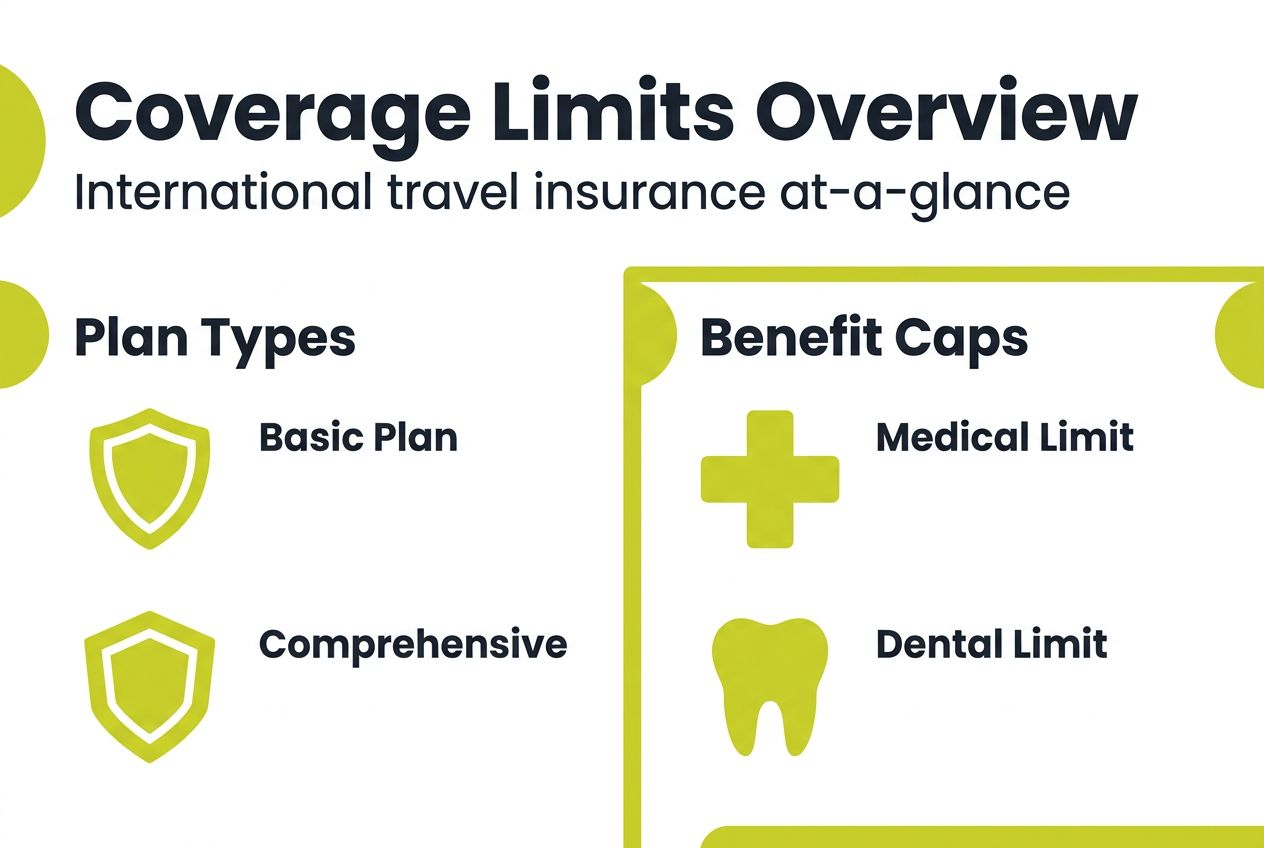
Coverage limits deserve close attention. A policy might advertise £500,000 in medical coverage but limit emergency dental to £500 or baggage claims to £1,500 total. Deductibles also affect your out-of-pocket costs, typically ranging from zero to £250 per claim. Higher deductibles reduce premiums but increase your immediate expenses during incidents.
Pro Tip: Request and thoroughly read the full policy wording document before purchasing, not just the marketing summary. Pay particular attention to the exclusions section and the exact definition of covered events. Many claim denials stem from travellers misunderstanding policy terms they never actually read.
How to choose the right international travel insurance
Selecting appropriate coverage requires methodically evaluating your specific trip characteristics and personal risk factors. How to choose travel insurance starts with understanding your unique needs rather than simply buying the cheapest policy available. Rushing this decision often results in inadequate protection or overpaying for unnecessary coverage.
Follow these steps to identify your ideal policy:
- Document your complete itinerary including all destinations, trip duration, and planned activities
- Research healthcare costs and risks specific to your destinations, particularly if visiting countries like the United States with expensive medical systems
- Review your existing coverage from domestic health insurance, employer benefits, and credit cards to identify gaps
- List any pre-existing medical conditions requiring disclosure or special coverage
- Compare at least three insurers’ policies focusing on coverage limits, exclusions, and customer service reputation
- Verify pandemic coverage details and whether COVID-19 treatment is included
- Confirm adventure sports coverage if you plan activities beyond standard tourism
Critical evaluation criteria include:
- Medical coverage limits appropriate for your destinations (minimum £100,000 for most international travel, £500,000+ for North America)
- Emergency evacuation and repatriation coverage without sublimits
- 24/7 multilingual assistance hotlines with strong customer service ratings
- Trip cancellation coverage matching your total prepaid, non-refundable expenses
- Transparent policy wording clearly defining covered events and exclusions
- Reasonable claims process with online submission and direct billing to medical providers
- Financial stability ratings of the insurance company (A-rated or better)
- Competitive pricing balanced against coverage breadth
Your trip duration significantly impacts appropriate coverage. Single-trip policies suit occasional travellers, covering one journey up to the policy’s maximum duration (typically 30 to 180 days). Annual multi-trip policies benefit frequent travellers, covering unlimited trips within a year with individual trip duration limits (often 30 or 60 days per trip). Long-term travel insurance or expat plans become more cost-effective for trips exceeding six months.
Destination risk assessment matters enormously. Countries with reciprocal healthcare agreements might reduce your medical coverage needs, though you still need evacuation and trip protection. High-risk destinations require more robust coverage, potentially excluding certain regions entirely in some policies.
Pre-existing condition coverage remains challenging but possible. Some insurers offer coverage if conditions are stable and well-controlled for a specified period before travel (typically 60 to 90 days). Others provide coverage through medical screening or higher premiums. Honest disclosure proves essential, as undisclosed conditions void coverage entirely.
Keep emergency contact information and your policy documents accessible whilst travelling. Save digital copies in cloud storage and email, carry physical copies separately from your passport, and share details with travel companions or family at home.
Common misconceptions about international travel insurance
Misunderstandings about coverage create false confidence, leaving travellers financially vulnerable when incidents occur. Recognising these misconceptions helps you make informed decisions protecting your interests abroad.
Many travellers mistakenly believe their domestic health insurance adequately covers international emergencies. Whilst some private plans include limited overseas coverage, it typically applies only to true emergencies and reimburses at reduced rates after you return home. You must pay upfront and navigate foreign healthcare systems alone without assistance services. 62% of people incorrectly assume their regular health insurance covers them abroad.
Credit card insurance creates another dangerous illusion of protection. These policies almost always provide secondary coverage, paying only after your primary insurance. Coverage amounts rarely exceed £25,000, inadequate for serious incidents requiring evacuation or extended hospitalisation. Exclusions often encompass pre-existing conditions, adventure activities, and pandemic-related claims. The coverage might also require you to have purchased your entire trip on that specific credit card to activate benefits.
Trip cancellation represents a frequently misunderstood benefit. Standard policies only cover cancellations for specific listed reasons such as illness, injury, death, natural disasters, or jury duty. Simply changing your mind, work schedule conflicts, or generalised fear of travelling never qualify for reimbursement. Cancel for any reason (CFAR) coverage costs 40% to 60% more and typically reimburses only 50% to 75% of losses.
Pre-existing medical conditions cause numerous claim rejections because travellers either fail to disclose them or assume automatic coverage. Insurers define pre-existing conditions broadly, including any ailment for which you received treatment, took medication, or experienced symptoms within a lookback period (commonly 60 to 180 days before purchasing insurance). Even well-controlled chronic conditions require explicit disclosure and acceptance by the insurer to receive coverage.
Adventure activity assumptions create coverage gaps. Policies frequently exclude hazardous sports without additional riders. Skiing, scuba diving beyond certain depths, parasailing, bungee jumping, rock climbing, and motorcycling commonly appear on exclusion lists. Read your policy’s adventure sports section carefully and purchase additional coverage for planned activities.
Document accessibility matters more than many travellers realise. Leaving insurance paperwork at home or buried in email whilst travelling delays urgent care and complicates claims. Medical providers abroad often require proof of coverage before treatment, and emergency assistance hotlines need your policy number to activate services.
Practical tips for using international travel insurance
Maximising your insurance benefits requires preparation before departure and diligent documentation during your trip. These practical strategies ensure you receive the protection you purchased when emergencies arise.
Review your complete policy document at least one week before travelling. Don’t rely on summary brochures or marketing materials. Understand exactly what constitutes a covered event, required documentation for claims, notification timeframes for incidents, and emergency assistance contact procedures. Highlight important sections and create a quick-reference sheet with key details.
Document organisation proves crucial:
- Save digital copies of your policy, insurance card, and emergency contacts in multiple cloud storage locations
- Email copies to yourself and trusted family members or friends
- Carry physical copies in your day bag, separate from your passport and other valuables
- Programme emergency assistance numbers into your mobile phone with country codes
- Share your policy details and itinerary with someone at home who can assist if you’re incapacitated
Claim procedures require strict adherence to avoid denials. Contact your insurer immediately when incidents occur, ideally before receiving non-emergency treatment. Emergency assistance teams can direct you to network providers, arrange direct billing, and confirm coverage in real time. Waiting until after treatment or failing to notify your insurer within required timeframes (often 24 to 48 hours) can jeopardise your claim.
Keep meticulous records of all expenses and incidents. Photograph receipts immediately, as thermal paper fades quickly. Obtain itemised bills detailing every service, medication, and supply rather than summary invoices. Request medical reports, diagnostic results, and treatment notes translated into English when possible. For theft or loss, file police reports immediately and obtain official documentation, as insurers require these for baggage claims.
Honest disclosure during application prevents claim denials later. Answer medical questions accurately and completely, even if you think a condition is minor or unlikely to cause problems. Insurers investigate claims, and discovering undisclosed conditions voids your entire policy, not just claims related to that specific condition. If you’re unsure whether to disclose something, err on the side of full transparency.
Understand the difference between emergency and non-emergency situations. Emergency services typically receive direct billing and immediate assistance coordination. Non-emergency claims often require you to pay upfront and seek reimbursement later with proper documentation. Knowing which situations qualify as emergencies under your policy helps you take appropriate action.
Pro Tip: Download your insurer’s mobile app before travelling if available. Many insurers now offer apps providing instant access to policy documents, emergency assistance, digital insurance cards, and claims submission. Some include features like hospital locators and translation services, invaluable during stressful situations abroad.
Explore the best international travel insurance options
Securing the right protection for your international journeys requires expert guidance and access to comprehensive coverage options. Unparalleled Global Benefits specialises in international health insurance explained for travellers, expats, and global citizens seeking reliable protection abroad.
Our platform connects you with top-rated insurers offering tailored plans matching your specific travel needs. Whether you require short-term trip coverage, annual multi-trip protection, or long-term expat solutions, we provide transparent comparisons and personalised recommendations. Access policies including pandemic riders, pre-existing condition coverage, and adventure sports add-ons typically excluded from standard plans.
Explore our how to choose travel insurance guide for detailed selection strategies, then compare offerings from our network of top insurers recognised for comprehensive coverage and exceptional claims support. Our experienced team assists throughout the process, from initial policy selection through claims navigation, ensuring you receive the protection and assistance you deserve whilst travelling internationally.
Frequently asked questions
What does international travel insurance typically cover?
International travel insurance typically covers emergency medical treatment, medical evacuation, trip cancellation or interruption, lost or stolen baggage, and personal liability abroad. Coverage specifics vary significantly between policies and insurers, so reviewing your policy document carefully ensures you understand exact protections and limitations before travelling.
Is my domestic health insurance sufficient for travel abroad?
Most domestic health insurance plans exclude or severely limit coverage outside your home country, leaving you financially exposed during international travel. Supplementing with dedicated international travel insurance proves essential to avoid devastating medical bills and access emergency assistance services that domestic policies rarely provide abroad.
How can I ensure my pre-existing conditions are covered?
Disclose all pre-existing medical conditions honestly and completely when applying for international travel insurance, as undisclosed conditions void coverage entirely. Seek insurers offering specific pre-existing condition coverage or medical screening options, and consult best travel insurance for health conditions guides to identify policies accommodating your health needs with appropriate premiums.
What should I do immediately after an emergency abroad?
Contact your insurer’s 24/7 emergency assistance hotline immediately when emergencies occur, ideally before receiving non-emergency treatment. Keep all medical reports, itemised bills, receipts, diagnostic results, and treatment documentation for claims submission. Follow your insurer’s notification and documentation requirements precisely to ensure smooth claims processing and avoid potential denials.
Recommended
- Complete Guide to International Travel & Health Insurance – Unparalleled Global Benefits
- Understanding the Difference Between Travel and Health Insurance 2025
- Annual Travel Insurance Cover 2025: Guide for Global Travellers
- International Health Insurance Explained: Complete Guide – Unparalleled Global Benefits