
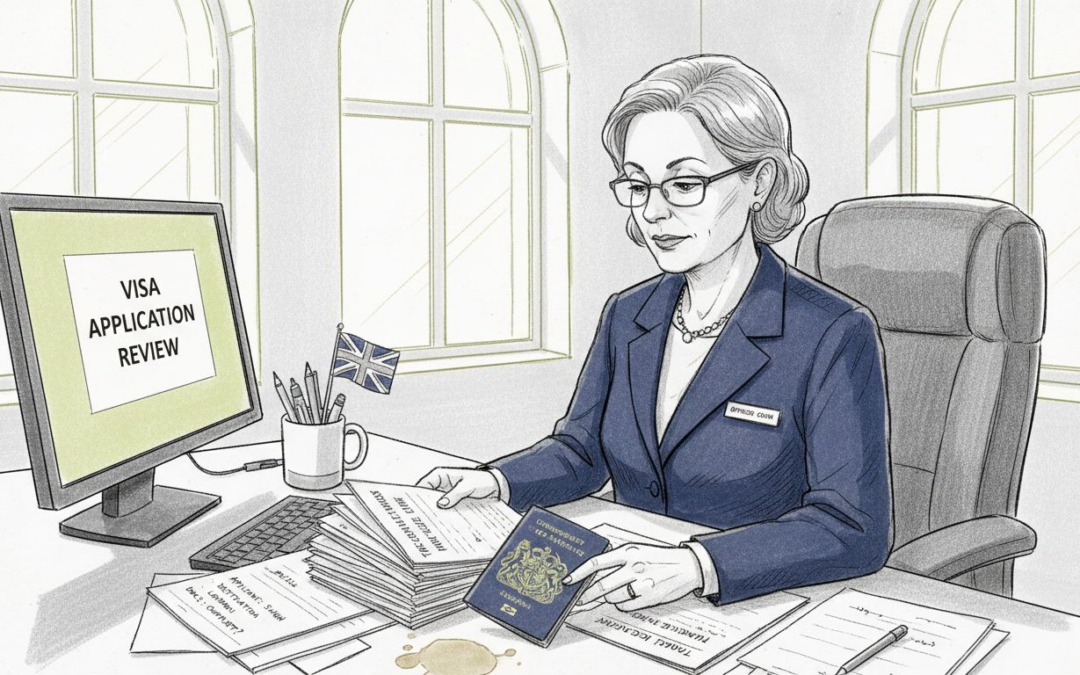
Finding reliable tourist visa medical insurance can feel confusing when your entire trip depends on getting it right. For visitors planning journeys across Europe, the Schengen visa requires travel medical insurance with at least €30,000 coverage for medical expenses including emergency care and repatriation. Missing these details could mean instant visa rejection. This guide helps you spot the crucial differences and find coverage that meets official demands, saving you stress and money before you even set foot abroad.
Table of Contents
- Tourist Visa Medical Insurance Explained
- Types of Visa Medical Insurance Policies
- Key Coverage Requirements And Inclusions
- Proof, Validity, And Application Process
- Common Pitfalls And Costly Mistakes
Key Takeaways
| Point | Details |
|---|---|
| Importance of Insurance | Tourist visa medical insurance is a mandatory requirement for visa applications to ensure travellers can afford medical treatment during their stay. |
| Specific Requirements | Each destination country sets unique minimum coverage amounts and guidelines that must be strictly followed to avoid visa rejection. |
| Timing of Purchase | It is crucial to secure your insurance well before submitting your visa application, allowing time to ensure compliance with all requirements. |
| Documentation Check | Ensure that your insurance documentation is complete and meets all specific details required by the immigration authorities to prevent application issues. |
Tourist Visa Medical Insurance Explained
Tourist visa medical insurance is specialised coverage designed specifically for travellers visiting countries on temporary visas. Unlike standard travel insurance, it addresses the unique requirements that immigration authorities set for visa approval and protection during your stay.
When you apply for a tourist or visitor visa, many countries require proof of health insurance as a condition of entry. This isn’t optional—it’s a formal requirement that immigration officials verify before they grant your visa. Without proper coverage, your application may be rejected outright.
What Makes Tourist Visa Insurance Different
Standard travel insurance and visa-specific medical insurance serve different purposes. Visa insurance is structured to meet the exact requirements that consulates and immigration departments demand, whereas general travel policies may not align with those specifications.
Key distinctions include:
- Minimum coverage amounts set by the destination country or visa category
- Mandatory coverage areas such as hospital admission, emergency treatment, and medical repatriation
- Proof of insurance formatted specifically for visa applications
- Validity requirements that match your entire intended stay duration
- Geographic coverage that includes the specific countries you’ll visit
For instance, when applying for a Schengen visa covering many European countries, you must have insurance with minimum €30,000 coverage for medical expenses including hospital admission, emergency treatment, prescription medicine, and repatriation.
Why Visa Officers Care About Insurance
Consulates require medical insurance for a straightforward reason: they want assurance you won’t become a financial burden on the host country’s healthcare system. If you face a serious illness or injury abroad, the costs can escalate rapidly.
Consulates use insurance requirements to protect public healthcare resources and ensure visitors can cover their own medical expenses. This reduces financial risk for the destination country and demonstrates your preparedness as a traveller.
Coverage Elements You Need
Visa-approved medical insurance typically covers:
- Emergency hospital stays and inpatient treatment
- Urgent doctor visits and outpatient care
- Prescription medications needed during your stay
- Emergency dental treatment (in some cases)
- Medical evacuation and repatriation to your home country
- Laboratory tests and diagnostic procedures
The coverage must remain active for your entire intended stay, with no gaps in coverage dates.
Your visa application can be rejected if your insurance doesn’t match the destination country’s specific requirements—even if you have coverage that seems adequate to you.
Pro tip: Start your insurance search immediately after planning your trip dates, not after you’ve submitted your visa application. This gives you time to find policies that meet exact requirements and obtain the documentation consulates demand, rather than rushing through this critical step.
Planning a trip for yourself, a resident, or visiting family? UGB + Ekta can arrange travel insurance for seniors up to 100 years old. Just click here: https://ektatraveling.com/?partner_uid=808 and add the promo code “UGB” to receive an additional 10% discount.
You can also watch this helpful overview:
https://youtu.be/bjzvma7Sh1g
Types of Visa Medical Insurance Policies
Visa medical insurance comes in several distinct varieties, each designed for different travel purposes and destination countries. Understanding which type applies to your situation is crucial for meeting immigration requirements and protecting yourself abroad.
Standard Travel Medical Insurance
Travel medical insurance is the most common option for tourist and short-term visitors. This coverage focuses on unexpected medical emergencies that occur during your trip, rather than addressing pre-existing conditions or routine care.
Key characteristics include:
- Coverage for emergency hospital treatment and urgent medical procedures
- Doctor visits and emergency dental work
- Prescription medications needed during your stay
- Medical evacuation to your home country if necessary
- Typically purchased for trips lasting days to several weeks
This type works well for holiday travellers and leisure visitors who need basic protection meeting visa compliance standards.
Student Visa Medical Insurance
Student visa medical insurance is a specialised health coverage designed for international students, and it often differs significantly from standard travel insurance. These policies address the unique demands of extended academic stays and frequently carry mandatory visa requirements.
Student policies typically include:
- Coverage for longer durations matching academic calendar years
- Pre-existing condition coverage (sometimes included)
- Routine medical check-ups and preventative care
- Mental health and counselling services
- Campus health centre access
The specific requirements vary by destination country. In the United States, for example, coverage requirements differ significantly by visa type and individual university standards, with options ranging from university-specific plans to employer-sponsored insurance or international providers.
Long-Term Visitor and Expat Insurance
If you’re planning an extended stay beyond typical tourist periods, long-term visitor insurance provides comprehensive protection. This category suits individuals relocating temporarily or staying for several months or years.
These policies offer:
- Extended coverage periods from several months to multiple years
- Access to local healthcare networks in your destination country
- Emergency and routine medical care
- Specialist referrals and hospital admissions
- Repatriation coverage for serious medical events
Schengen and European Visa Insurance
Travel medical insurance for Schengen visas must provide coverage across all Schengen countries with specific minimum coverage limits. These policies are specifically structured to meet European Union immigration standards.

Schengen-approved policies typically include minimum coverage of €30,000 for medical expenses and cover all participating European nations simultaneously.
Here is a summary of policy types and their main purposes:
| Policy Type | Typical Applicant | Duration | Core Benefit |
|---|---|---|---|
| Standard Travel Medical | Holidaymakers, short-term | Several days to weeks | Emergency care abroad |
| Student Visa Medical | International students | Academic year(s) | Routine and mental health cover |
| Long-Term Visitor and Expat | Temporary long-stay visitors | Months to several years | Full access to local healthcare |
| Schengen/European Visa Insurance | Schengen zone travellers | Up to 90 days typical | Multi-country EU compliance |
Different visa categories require different insurance types—what works for a tourist visa won’t necessarily satisfy student visa requirements, even with identical coverage amounts.
Pro tip: Before purchasing any visa medical insurance policy, contact the specific consulate or embassy where you’re applying and request their exact insurance requirements in writing, including minimum coverage amounts, required coverage areas, and acceptable insurance providers to avoid purchasing a policy that won’t satisfy their compliance standards.
Key Coverage Requirements And Inclusions
Every visa medical insurance policy must meet specific coverage thresholds and include particular medical services. These requirements exist because immigration authorities want assurance that you can afford emergency medical treatment without burdening their healthcare system.
Minimum Coverage Amounts
Different countries set different minimum thresholds for medical expense coverage. These amounts aren’t arbitrary—they reflect the typical cost of serious medical incidents in that country.
Common minimum coverage levels include:
- €30,000 for Schengen visa applications across European countries
- £600,000 to £1,000,000 for United Kingdom visitor visas
- CAD$100,000 for Canadian temporary resident visas
- USD$100,000 for United States visa categories
Your policy’s coverage limit must meet or exceed your destination country’s specific requirement. A €25,000 policy will not satisfy a €30,000 Schengen requirement, regardless of how comprehensive the coverage is otherwise.
This table provides a quick reference for minimum insurance coverage by destination:
| Destination or Visa Type | Minimum Coverage Requirement | Main Currency | Notable Additional Condition |
|---|---|---|---|
| Schengen Area | €30,000 | Euro | Coverage valid in all 27 countries |
| United Kingdom | £600,000–£1,000,000 | Pound Sterling | Proof must show high upper limit |
| Canada | CAD$100,000 | Canadian Dollar | Policy must match stay length |
| United States | USD$100,000 | US Dollar | Requirements can vary by visa/university |
Essential Medical Services
Hospital admission and emergency treatment form the foundation of visa medical insurance. Most policies cover sudden illness or injury requiring inpatient care, emergency surgery, and urgent diagnostic procedures.
Mandatory coverage typically includes:
- Emergency hospital stays and bed charges
- Surgical procedures and operating room fees
- Emergency doctor visits and urgent care centre treatment
- Ambulance transportation to medical facilities
- Diagnostic tests, X-rays, and laboratory work
- Prescription medications required during your stay
These services address the most common and costly medical scenarios that travellers face abroad.
Geographic Coverage Scope
Your insurance must cover the specific countries you’ll visit during your stay. For Schengen visa holders, this means coverage across all 27 participating European nations, not just your primary destination.
This requirement exists because visa holders may travel freely between Schengen countries without additional border checks. Your coverage must protect you regardless of which Schengen nation you’re in when an emergency occurs.
Medical Repatriation and Death Benefits
Medical repatriation coverage is critical but often overlooked. This provision pays for emergency transport to your home country if treatment isn’t available locally or if your condition is serious enough to require specialised care at home.
Repatriation coverage also includes expenses related to death abroad, including transport of remains to your home country. This provides significant protection for your family during an unimaginable situation.
Duration and Validity Requirements
Your insurance must remain valid for your entire intended stay with no gaps in coverage. Immigration officers will check that your policy start date aligns with your entry date and your end date matches your planned departure.
If you’re extending your visa, you’ll need to extend your insurance coverage simultaneously. A policy that expires before your visa does won’t satisfy compliance requirements.
Your insurance must match your destination country’s exact requirements—policies designed for one country may not meet another country’s visa standards, even if they appear similar.
Pro tip: Request written confirmation from your insurance provider stating that your policy meets your specific destination country’s visa requirements, including minimum coverage amounts, geographic scope, and validity dates, then attach this letter to your visa application to eliminate any ambiguity during processing.
Proof, Validity, And Application Process
Submitting proof of medical insurance is not optional—it’s a mandatory requirement that can make or break your visa application. Immigration officers will examine your insurance documentation closely, looking for specific details that confirm compliance with their country’s requirements.
What Documentation You Need
Proof of insurance must be presented when you submit your visa application. This isn’t just any document; it must contain specific information that demonstrates your policy meets all requirements.
Required documentation typically includes:
- Original policy schedule or certificate of insurance
- Your full name and passport number matching your visa application
- Coverage dates that align with your intended stay
- Minimum coverage amount (e.g., €30,000 for Schengen)
- Geographic coverage area (all Schengen countries, for example)
- Insurance company name and contact information
- Policy number and effective dates
Many applicants make the mistake of submitting incomplete or unclear documentation. Photocopies of poor quality or documents missing key information can result in application rejection.
When To Purchase Your Insurance
Timing matters significantly. You should purchase your insurance before submitting your visa application, not after. This ensures you have documentation to include in your application package.
However, your policy doesn’t need to start on your visa application date. Many insurers allow you to set a start date matching your planned entry date, even if you purchase the policy weeks in advance.
Purchase your insurance at least two weeks before submitting your visa application. This gives you time to receive the documentation and verify it meets requirements.
Coverage Validity During Your Stay
Proof of medical travel insurance must be maintained throughout your stay in the Schengen area. Immigration authorities can request to see your insurance certificate at border crossings or during random checks.
Keep your physical insurance certificate or a digital copy on your phone at all times whilst travelling. You may also be asked to provide proof when entering certain establishments, particularly hospitals or clinics.
Your coverage dates must not have any gaps. If your intended stay is 90 days, your policy must cover all 90 days without lapse.
Application Submission
When submitting your visa application, include your insurance documentation in the designated section of your application packet. Check your specific country’s visa requirements to determine whether they want the original or a certified copy.
Most consulates now allow online submission of documents, including insurance proof. Ensure your scans are clear, readable, and show all relevant information. Poor-quality scans can cause processing delays or rejection.
Insurance From Sponsors
Your insurance doesn’t necessarily have to be in your name. A sponsor—such as a family member or employer in the destination country—can purchase insurance on your behalf. However, the policy must still cover you personally and meet all the same requirements as if you’d purchased it yourself.
Incomplete or non-compliant insurance documentation is one of the most common reasons for visa denial. Review your documents twice before submitting.
Pro tip: Create a checklist of all required insurance information before purchasing your policy, then verify every item is clearly visible on your final documentation before submitting your visa application to avoid unnecessary delays or rejections.
Common Pitfalls And Costly Mistakes
Many visa applicants sabotage their own applications by making preventable errors with their medical insurance. Understanding these common mistakes helps you avoid expensive delays, rejections, or worse—being denied entry at the border.
Buying Insurance Too Late
Waiting until the last moment to purchase insurance is a dangerous strategy. If you apply for insurance just days before your visa appointment, you may not receive documentation in time to include with your application.
Consulates can reject incomplete applications on the spot. You’d then need to reapply, paying application fees again and waiting weeks longer for your visa.
Begin your insurance search as soon as you’ve confirmed your travel dates. Ideally, purchase your policy 3-4 weeks before submitting your visa application.
Insufficient Coverage Amounts
Purchasing insurance with a coverage limit below your destination country’s requirement is a critical mistake. A policy offering €20,000 coverage will not satisfy a €30,000 Schengen requirement, regardless of other strengths.
Consulates will reject your application automatically if your coverage falls short. There’s no negotiation or appeal process—you simply don’t meet the requirement.
Always verify your destination country’s exact minimum coverage amount before purchasing any policy.
Wrong Geographic Coverage
Some travellers purchase insurance valid only in their primary destination country, forgetting they can travel to neighbouring nations. This creates gaps in coverage that immigration officers will catch during document review.
For Schengen visas, your insurance must cover all 27 European member states, not just France or Germany or whichever country you’re visiting. Purchasing region-specific insurance when you need continent-wide coverage is a costly oversight.
Gaps In Coverage Dates
Your insurance must match your intended stay perfectly with no lapses. If your policy starts on day two of your trip or ends one day before you depart, you’re not compliant.
Make absolutely certain your policy start date aligns with your entry date and your end date extends through your departure date.
Misaligned Visa And Insurance Dates
Your visa validity dates must match your insurance validity dates precisely. If you’ve received a visa valid for 90 days but your insurance covers only 60 days, you’ll have 30 days of uninsured travel.
If authorities conduct a spot check during those uninsured days, you could face fines or deportation.
Relying On Outdated Information
Visa requirements change frequently. What was true for a Schengen visa last year might have changed. Checking outdated websites or following advice from friends who travelled years ago can lead to non-compliant applications.
Always verify requirements directly with the consulate or official government visa websites.
One moment of carelessness with insurance documentation can result in visa denial, travel delays, and hundreds of pounds in lost expenses and reapplication fees.
Pro tip: Once you’ve purchased your insurance, submit it to your consulate informally before your official application to receive confirmation that it meets their exact requirements, allowing time to purchase alternative coverage if needed.
Secure Your Tourist Visa with the Right Medical Insurance Today
Understanding the crucial role of tourist visa medical insurance can save you from unexpected visa denials and costly travel disruptions. The article highlights the vital need for insurance policies that meet strict requirements such as minimum coverage amounts, geographic scope, and continuous validity throughout your stay. Many travellers face the challenge of navigating complex visa rules while seeking insurance that truly aligns with these criteria without risking rejection.
Don’t leave your visa approval to chance. Visit our top insurers page to explore a wide selection of trusted insurance plans specifically tailored for international visitors and tourists. With personalised coverage solutions, you can secure comprehensive protection, including medical repatriation, emergency hospital care and proof that satisfies immigration officers. Act now to ensure your travel plans remain on track by obtaining insurance that meets your visa’s exact standards. Learn more and request a quote at Unparalleled Global Benefits to get started immediately.
Frequently Asked Questions
What is tourist visa medical insurance?
Tourist visa medical insurance is a specialised insurance designed for travellers applying for temporary visas, ensuring compliance with immigration requirements and providing health coverage during their stay.
Why do consulates require medical insurance for visa applications?
Consulates require medical insurance to ensure that visitors can cover their own medical expenses, preventing them from becoming a financial burden on the host country’s healthcare system in case of illness or injury.
What are the key coverage elements included in tourist visa medical insurance?
Key coverage elements typically include emergency hospital stays, urgent doctor visits, prescription medications, medical evacuation, and sometimes emergency dental treatment.
How can I ensure that my insurance policy meets visa requirements?
To ensure compliance, verify your insurance policy’s coverage amounts, geographic scope, and validity dates against the specific requirements listed by the consulate or embassy where you are applying for your visa.
Recommended
- Medical Insurance for Visit Visa – Protecting Your U.S. Stay – Unparalleled Global Benefits
- Visa Travel Insurance: Why It Matters For Visa Holders – Unparalleled Global Benefits
- Health Insurance Visitor Visa – Key Protection For Travellers – Unparalleled Global Benefits
- International Travel Medical Insurance – Why It Matters for Expats – Unparalleled Global Benefits
- 7 Practical Immune Boosting Tips for a Healthier You – EQUA – Sustainable Water Bottles