
For many british women living abroad, planning travel during pregnancy brings unique challenges. Nearly 60 percent of expatriates face uncertainty about accessing quality maternity care and insurance when outside their home country. Choosing the right coverage ensures peace of mind, financial protection, and safety for both you and your baby during international journeys. This guide offers actionable steps to help you make informed decisions about travel insurance tailored specifically to maternity needs.
Table of Contents
- Step 1: Assess Pregnancy-Specific Travel Needs Carefully
- Step 2: Compare Diverse Maternity Insurance Options Thoroughly
- Step 3: Verify Medical Coverage for International Destinations
- Step 4: Confirm Policy Limits and Essential Exclusions
- Step 5: Purchase Travel Insurance Pregnancy Cover Confidently
Quick Summary
| Key Point | Explanation |
|---|---|
| 1. Schedule a Medical Appointment | Discuss your travel plans and health status with your healthcare provider before travelling. |
| 2. Prepare Medical Documentation | Compile prenatal records, current medications, and emergency contacts for easy access during travel. |
| 3. Compare Maternity Insurance Options | Evaluate insurance policies based on coverage limits, exclusions, and maternity-specific benefits for pregnant travellers. |
| 4. Verify Coverage for Destination | Confirm your travel insurance details and healthcare facilities available at your destination for pregnancy-related needs. |
| 5. Request Written Confirmation | Always obtain written details of pregnancy-related insurance coverage to ensure clarity and address potential issues. |
Step 1: Assess Pregnancy-Specific Travel Needs Carefully
Understanding your unique pregnancy travel requirements begins with a thorough medical assessment. Travelling while pregnant demands careful planning and proactive health management. The CDC Yellow Book recommends comprehensive medical consultation before embarking on any international journey.
Your first critical step involves scheduling a detailed appointment with your healthcare provider. During this consultation, discuss your specific travel plans, gestational age, and any potential medical risks. Your obstetrician will evaluate factors like pregnancy complications, overall health status, and destination specific medical considerations. They will assess whether you are medically fit for travel and provide personalised recommendations regarding vaccinations, potential health risks, and necessary medical documentation.
Preparing comprehensive medical records is equally important. Compile a detailed pregnancy medical history, current medication list, prenatal records, and emergency contact information. Research the healthcare facilities available at your destination and understand the medical coverage provided by your travel insurance policy. Some regions might have limited obstetric services, making advanced preparation crucial.
Travel Health Tip: Always carry a printed copy of your medical records and ensure your travel insurance includes comprehensive pregnancy related medical coverage.
Step 2: Compare Diverse Maternity Insurance Options Thoroughly
Navigating the complex landscape of maternity travel insurance requires a strategic and comprehensive approach. Understanding the nuanced differences between various coverage options will help you secure robust protection during your pregnancy journey abroad. Comprehensive travel insurance guides highlight critical factors in selecting appropriate pregnancy related coverage.
Begin by creating a detailed comparison matrix for potential insurance policies. Evaluate key aspects such as medical emergency coverage, trip cancellation provisions, gestational age limitations, and specific maternity healthcare benefits. Pay close attention to policy exclusions that might impact pregnant travellers particularly those related to late stage pregnancy or pre existing conditions. Look for plans that offer comprehensive medical evacuation services, direct hospital billing capabilities, and transparent reimbursement protocols for pregnancy related medical interventions.
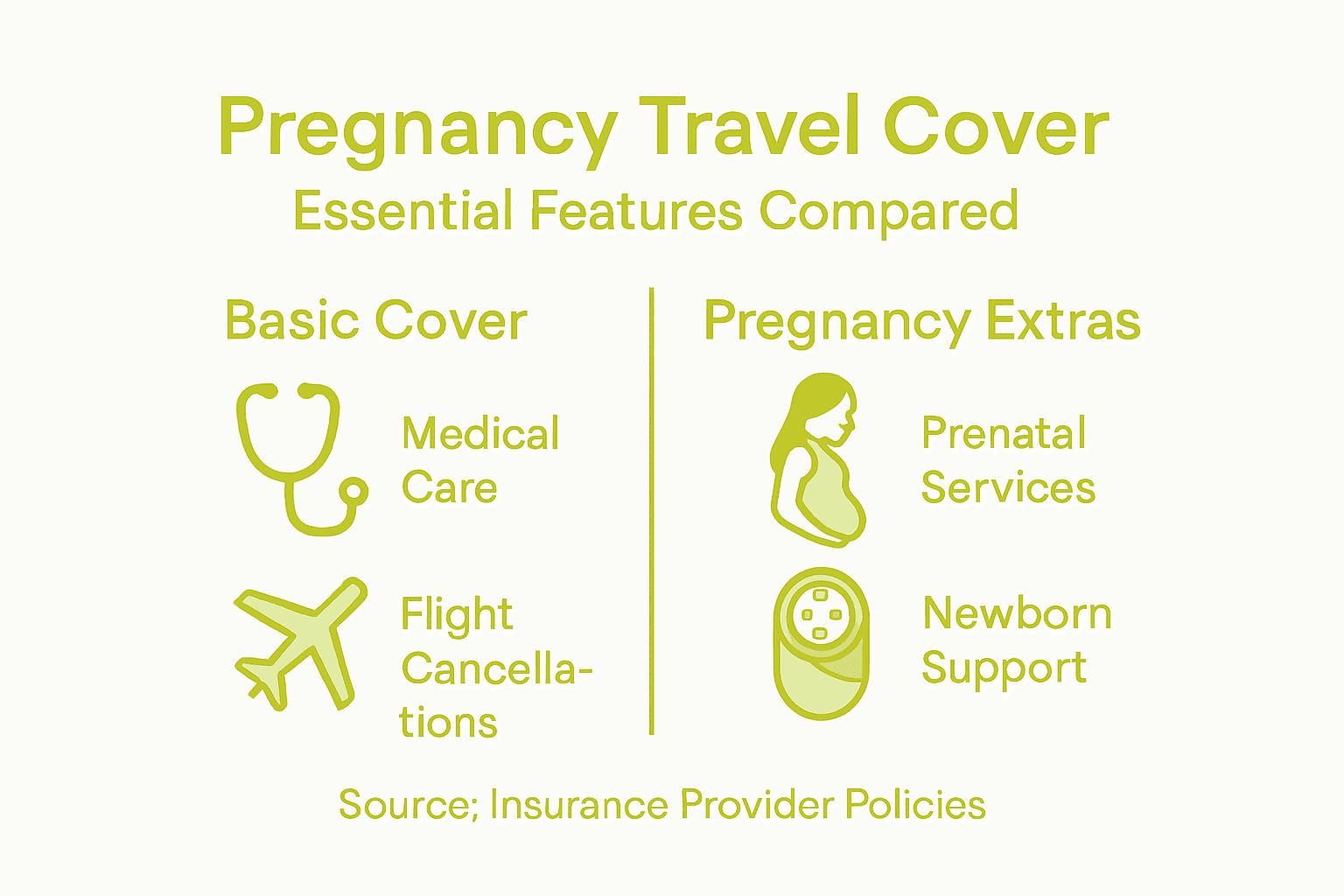
Ensure you thoroughly review documentation requirements, claim processes, and geographical coverage limitations. Some insurance providers offer specialised maternity travel packages with more extensive protection than standard travel insurance. Consider factors like maximum coverage limits, waiting periods, documentation needed for claims, and the reputation of the insurance provider in handling international pregnancy related medical scenarios.
Travel Insurance Tip: Request detailed policy documentation and schedule a consultation with the insurance provider to clarify all pregnancy specific coverage details before making a final decision.
Here is a quick reference comparing popular maternity travel insurance features:
| Feature | Basic Travel Insurance | Maternity-Specific Insurance | Comprehensive Medical Travel Cover |
|---|---|---|---|
| Medical Emergency Cover | General medical only | Includes pregnancy emergencies | High coverage for all scenarios |
| Gestational Age Limit | Up to 20-24 weeks | Usually 28-36 weeks | Customisable up to 36 weeks |
| Coverage for Complications | Not included | Included for specified conditions | Covers most complications |
| Medical Evacuation | Generic evacuation | Pregnancy-focused evacuation | Fully pregnancy-tailored |
| Direct Hospital Billing | Rarely available | Often included | Widely available |
| Waiting Period | Short (3-7 days) | Medium (7-14 days) | Varies, sometimes waived |
| Trip Cancellation | General provision | Pregnancy-specific cancellation | Flexible cancellation reasons |
Step 3: Verify Medical Coverage for International Destinations
Ensuring comprehensive medical coverage for your pregnancy journey abroad requires meticulous research and proactive planning. International travel health guidelines recommend thorough medical coverage verification to protect your health and financial security during international travels.
Start by conducting a comprehensive review of your existing travel insurance policy. Contact your insurance provider directly to confirm specific details about pregnancy related medical coverage in your intended destination. Request a detailed breakdown of what medical services are included particularly those related to prenatal care, emergency medical interventions, potential complications, and medical evacuation provisions. Pay special attention to geographical limitations, coverage restrictions based on gestational age, and any additional documentation required for international medical claims.
Research the healthcare infrastructure of your destination country meticulously. Identify reputable medical facilities specialising in pregnancy care, understand local healthcare standards, and confirm your insurance policy provides direct billing or reimbursement options. Compile a comprehensive medical information package including your prenatal records, insurance documentation, emergency contact details, and a translated medical history to facilitate seamless medical assistance if required.
Travel Health Tip: Always maintain digital and physical copies of your medical records and insurance documentation in both English and the local language of your destination.
The table below summarises essential documentation for pregnant travellers:
| Document Type | Why Needed | When to Present |
|---|---|---|
| Medical History | Evidence of health status | At border or hospital admission |
| Prenatal Records | Details of current pregnancy | During medical emergencies |
| Medication List | Ensures correct prescriptions | At customs or medical facility |
| Insurance Certificate | Proof of coverage | At hospital or insurance claim |
| Emergency Contacts | Quick family or provider access | In any urgent situation |
| Translated Documents | Help foreign healthcare providers | Pre-emptively before travelling |
Step 4: Confirm Policy Limits and Essential Exclusions
Understanding the intricate details of your travel insurance policy becomes paramount when travelling during pregnancy. Travel insurance policies contain critical pregnancy exclusions that could significantly impact your medical coverage and financial protection abroad.

Carefully scrutinise the specific policy limits related to pregnancy coverage. Most insurers impose strict restrictions on coverage based on gestational weeks typically ceasing protection between 28 and 36 weeks of pregnancy. Request a comprehensive written explanation of coverage limitations including specific details about emergency medical interventions, potential complication treatments, medical evacuation provisions, and trip cancellation allowances. Pay meticulous attention to exclusions surrounding preexisting conditions and routine prenatal care which are frequently not covered by standard travel insurance policies.
Create a detailed comparison matrix documenting each policy’s specific pregnancy related provisions. Contact multiple insurance providers to obtain precise information about their coverage parameters. Ensure you understand exactly what medical scenarios are included or excluded particularly regarding potential pregnancy complications, emergency treatments, and repatriation services. Verify the geographical scope of coverage and confirm whether direct medical billing or reimbursement options are available in your intended destination.
Travel Health Tip: Always request a written summary of pregnancy specific coverage details and maintain a comprehensive record of your communications with the insurance provider.
Step 5: Purchase Travel Insurance Pregnancy Cover Confidently
Purchasing travel insurance during pregnancy requires strategic planning and meticulous attention to detail. Comprehensive pregnancy travel guidance emphasizes proactive health protection when selecting appropriate coverage for international journeys.
Initiate your insurance purchase by gathering comprehensive medical documentation including your complete prenatal history, current health status, and anticipated travel details. Request personalised consultations with multiple insurance providers specialising in pregnancy travel cover. During these conversations explore specific policy provisions addressing potential medical complications, emergency evacuation services, trip cancellation provisions, and geographical coverage limitations. Carefully compare policy terms focusing on exclusions related to gestational age restrictions, preexisting conditions, and specific medical intervention coverages.
Prioritise insurance providers with transparent pregnancy related policies and demonstrated expertise in international medical support. Consider obtaining additional medical documentation from your healthcare provider confirming your fitness for travel and pregnancy status. Review each policy thoroughly understanding the precise medical scenarios covered and any potential financial risks associated with incomplete or restrictive coverage.
Travel Health Tip: Always request written confirmation of pregnancy specific coverage details and maintain comprehensive records of all insurance communications.
Protect Your Pregnancy Journey with Expertly Tailored Travel Insurance
Travelling abroad during pregnancy brings unique challenges such as securing the right medical coverage, understanding gestational age limits, and ensuring emergency provisions. This article highlights critical pain points including the need for comprehensive pregnancy travel cover, clear policy exclusions, and medical documentation preparation. Don’t let uncertainties around maternity travel insurance risk your peace of mind or financial security.
Explore personalised insurance options designed to match your specific pregnancy travel needs at Uncategorised Archives – Unparalleled Global Benefits. Our platform is dedicated to offering transparent, trustworthy insurance plans that cover pregnancy emergencies, trip cancellations, and medical evacuations worldwide.
Secure your international pregnancy travel insurance today and travel with confidence. Visit Unparalleled Global Benefits to request custom quotes, understand detailed maternity coverage, and gain expert support every step of the way. Do not delay your peace of mind—protect your journey now.
Frequently Asked Questions
What should I consider when assessing travel insurance for pregnancy cover abroad?
Understanding your unique pregnancy travel needs is essential. Begin by scheduling a detailed appointment with your healthcare provider to discuss your travel plans and any potential medical risks related to your pregnancy.
How do I effectively compare maternity insurance options for international travel?
Create a detailed comparison matrix of different maternity insurance policies, focusing on coverage for medical emergencies, trip cancellations, and gestational age limits. Pay special attention to exclusions that may affect your coverage, especially for late-stage pregnancies or pre-existing conditions.
What documentation is essential for pregnant travellers when going abroad?
Key documents include your medical history, prenatal records, current medication list, and insurance certificate. Prepare both digital and physical copies, ensuring you have everything ready to present at hospitals or during emergencies.
How can I verify that my travel insurance covers pregnancy-related medical services?
Contact your insurance provider to confirm the specifics of your pregnancy coverage in your intended destination. Request a detailed breakdown of included medical services, focusing on prenatal care, complications, and medical evacuation provisions.
What exclusions should I look for in travel insurance policies for pregnancy?
Pay close attention to policy limits regarding gestational age, as many insurers cease coverage after a certain point. Review exclusions related to pre-existing conditions and routine prenatal care to ensure critical medical scenarios are covered before purchase.
How can I confidently purchase travel insurance with pregnancy cover?
Gather all relevant medical documentation, including your prenatal history and health status, before selecting an insurance provider. Compare multiple policies, paying close attention to the terms regarding pregnancy coverage and obtain written confirmation of all details.