

Did you know that even a minor medical emergency abroad can cost travellers thousands, with some hospital visits in the United States reaching over $10,000 per day? Facing unexpected health issues far from home can quickly turn any trip into a financial nightmare. Understanding the basics of medical travel insurance helps you avoid surprise expenses and keeps your journey worry free, no matter where your passport takes you.
Table of Contents
Key Takeaways
| Point | Details |
| Purpose of Coverage | Basic medical travel insurance provides financial protection against unexpected health-related expenses during international travel, covering emergency treatment, hospital stays, and more. |
| Types of Plans | Fixed benefit plans offer lower premiums but limited coverage, while comprehensive plans provide broader protection based on actual expenses, suitable for various risk levels. |
| Eligibility Factors | Key eligibility criteria for policies include age, health status, destination, and pre-existing conditions, necessitating careful evaluation before selection. |
| Claims Process Importance | Understanding claims, exclusions, and maintaining documentation are crucial for ensuring compensation, emphasizing proactive communication with insurers. |
Defining Basic Medical Travel Insurance Coverage
Medical travel insurance is a specialised type of protection designed to safeguard travellers against unexpected health-related expenses during international trips. According to Wikipedia, visitor health insurance is a short-term travel medical insurance policy that provides coverage for accidental injury or illness while staying in a host country.
The core purpose of basic medical travel insurance is to provide financial protection and peace of mind when travelling abroad. Typically, these policies cover several key areas:
-
Emergency medical treatment
-
Hospital stays
-
Physician consultations
-
Prescription medication costs
-
Medical evacuation services
-
Repatriation of remains in worst-case scenarios
As noted by CNBC, travel medical insurance is often part of a comprehensive travel policy, with policies generally ranging between 4% and 10% of your trip’s total nonrefundable costs. This means for a £2,000 trip, you might expect to pay between £80 to £200 for comprehensive coverage.
While the specific details can vary, basic medical travel insurance fundamentally serves as a critical safety net. It ensures that unexpected medical emergencies won’t derail your travel plans or lead to devastating financial consequences. Whether you’re a digital nomad working remotely, an expatriate on assignment, or a holiday maker exploring new destinations, understanding travel insurance basics can make a significant difference in your travel experience.
Key Types and Coverage Options Explained
Travel medical insurance comes in several distinct variations, each designed to address specific traveller needs. According to Wikipedia, in the US, visitor insurance plans are broadly classified into two primary categories: fixed and comprehensive plans.
Fixed and comprehensive plans have fundamental differences in how they approach medical expense coverage:
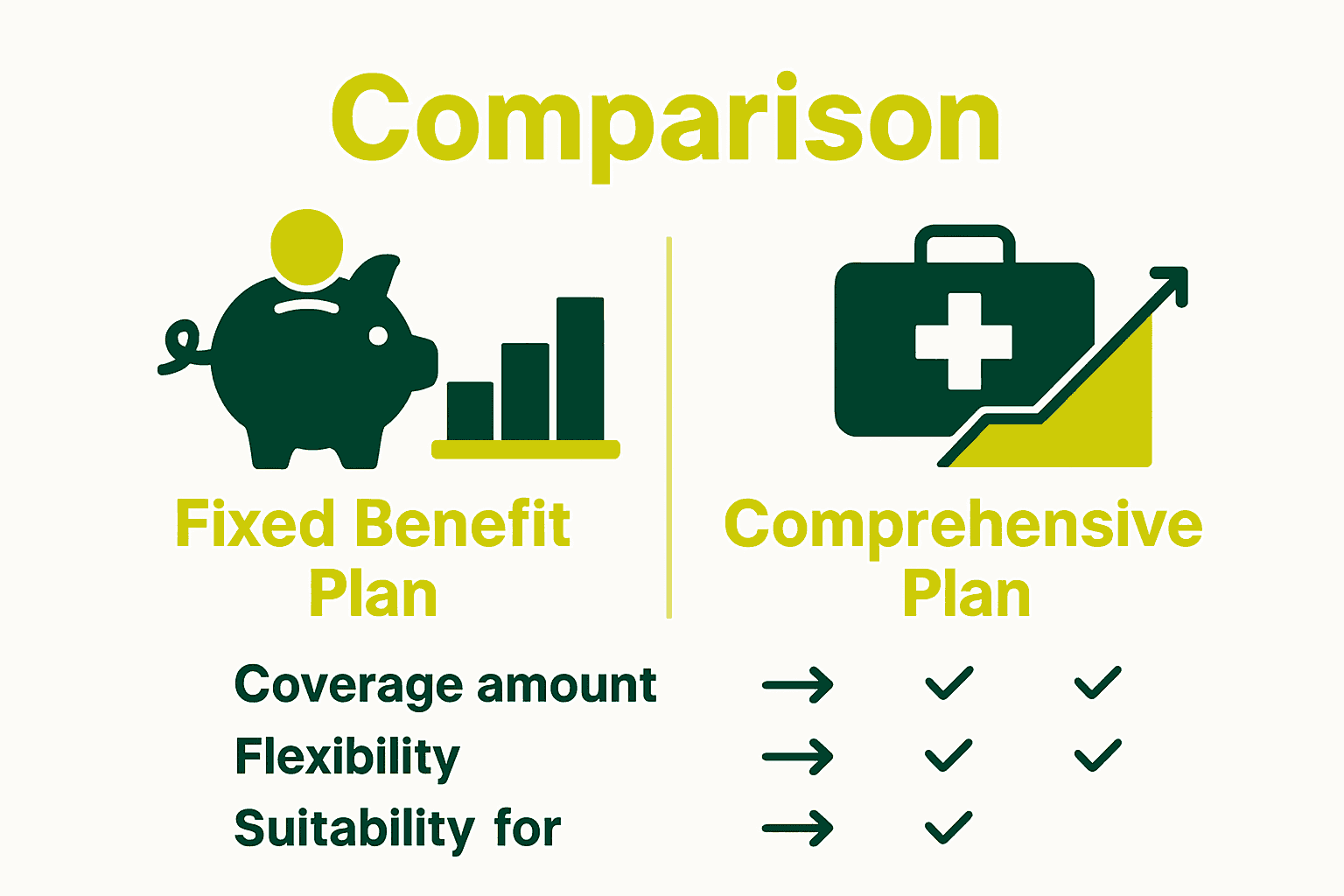
Here’s a comparison of fixed benefit and comprehensive travel medical insurance plans:
| Feature | Fixed Benefit Plan | Comprehensive Plan |
| Premium Cost | Lower | Higher |
| Coverage Amounts | Pre-set payout limits | Percentage of actual expenses |
| Flexibility | Limited | Extensive |
| Suitability | Budget travellers | Broad health security seekers |
| Typical Use Case | Short stays Low-risk trips |
Longer stays Various risk levels |
| Financial Boundaries | Clear and limited | More flexible |
Fixed Benefit Plans:
-
Lower premium costs
-
Pre-set maximum payout amounts for specific medical services
-
Limited coverage with clear financial boundaries
-
Best for budget-conscious travellers with minimal risk tolerance
Comprehensive Plans:
-
Higher premium costs
-
Percentage-based coverage of actual medical expenses
-
More flexible and extensive medical protection
-
Ideal for travellers seeking broader healthcare security
As noted by CNBC, a standalone travel medical policy is almost always less expensive than a comprehensive policy.
This cost difference means travellers can select coverage that matches their budget and risk profile.
Beyond these basic classifications, modern travel medical insurance offers nuanced options tailored to specific travel scenarios. Understanding single trip travel insurance can help you choose precisely the right protection for your unique journey, whether you’re a digital nomad, business traveller, or holiday adventurer.
Eligibility, Duration, and Application Requirements
Travel medical insurance comes with specific eligibility criteria that vary depending on the provider and policy type. International Insurance notes that many travel medical plans offer extension or renewal options, though the availability and terms can differ significantly between policies.
Eligibility typically depends on several key factors:
-
Age restrictions (most plans cover ages 18-75)
-
Current health status
-
Destination country
-
Length of planned travel
-
Pre-existing medical conditions
-
Citizenship or residency status
According to AIG, travel insurance covers trips where you book more than one night’s accommodation away from your usual place of residence. This means the definition of travel can be quite flexible, encompassing various types of journeys from business trips to holiday adventures.
The application process for medical travel insurance is straightforward but requires careful attention to detail. You’ll typically need to provide:
-
Personal identification documents
-
Travel itinerary
-
Basic health information
-
Payment method
-
Specific details about your destination
To ensure a smooth application, understanding international health insurance can help you navigate the complexities of selecting the right coverage for your unique travel needs. Remember, the goal is to find a policy that provides comprehensive protection while matching your specific travel requirements.
Understanding Claims, Exclusions, and Limitations
Travel medical insurance claims are complex processes with specific requirements and potential pitfalls. According to AIG, travel insurance policies often have significant restrictions, including exclusions for pre-existing medical conditions and travel to high-risk destinations such as Cuba, Iran, Syria, North Korea, or regions with active travel advisories.
Common exclusions in travel medical insurance typically include:
-
Pre-existing medical conditions
-
Injuries from extreme sports or dangerous activities
-
Mental health issues
-
Chronic illness complications
-
Self-inflicted injuries
-
Claims resulting from illegal activities
-
Pandemics or widespread health emergencies
Backpacker Travel Insurance emphasizes the critical importance of contacting your insurance provider before making any claims. Specifically, for medical conditions, you must obtain written agreement from the insurer before expecting coverage under sections like cancellation, emergency medical expenses, or personal accident.
Navigating the claims process requires careful documentation and timely communication. How to submit insurance claims becomes crucial in ensuring you receive the compensation you’re entitled to. Always keep detailed records, medical reports, receipts, and be prepared to provide comprehensive evidence supporting your claim.
Costs, Common Pitfalls, and Best Practices
Travel medical insurance pricing varies significantly based on multiple factors. According to CNBC, insurance policies typically range between 4% and 10% of your trip’s total nonrefundable costs, with prices fluctuating depending on your age, destination, trip length, and additional coverage options.
Key considerations for selecting appropriate coverage include:
-
Destination healthcare costs
-
Personal health risks
-
Trip duration
-
Age and pre-existing conditions
-
Adventure activities planned
-
Potential emergency evacuation needs
International Insurance recommends a coverage limit between $250,000 and $500,000 for most travellers. However, if you’re visiting countries with expensive healthcare systems like the United States, consider increasing your coverage to $500,000–$1 million to ensure comprehensive protection.
Common pitfalls to avoid include underestimating coverage needs, failing to disclose pre-existing conditions, and not reading the fine print. Master the travel insurance claims process by documenting everything, understanding your policy thoroughly, and maintaining open communication with your insurance provider. Remember, the cheapest policy isn’t always the best protection for your specific travel needs.
Secure Your International Journey with Tailored Medical Travel Insurance
Travelling abroad brings excitement but also uncertainties, especially when it comes to unexpected medical emergencies. The challenges highlighted in our guide, such as selecting the right coverage between fixed benefit and comprehensive plans and understanding claims and exclusions, are not easy to navigate alone. If you want to avoid the stress of costly hospital bills or complicated claims processes, it is essential to have clear, customised support that aligns perfectly with your unique travel needs.

Discover how expert advice and flexible plans from Uncategorised Archives – Unparalleled Global Benefits can offer you peace of mind before you even pack your bags. Our services are designed to help you understand international travel insurance deeply and choose coverage that safeguards your health and finances abroad. Don’t wait until an emergency arises to learn the complexities. Visit Unparalleled Global Benefits now and take the proactive step to protect yourself and your loved ones with confidence.
Frequently Asked Questions
What is basic medical travel insurance?
Basic medical travel insurance is a specialized protection that covers unexpected health-related expenses during international trips. It typically includes emergency medical treatment, hospital stays, physician consultations, and prescription medication costs.
What are the main types of travel medical insurance plans?
The main types are fixed benefit plans and comprehensive plans. Fixed benefit plans have lower premium costs with pre-set payout limits, while comprehensive plans offer higher coverage amounts based on actual medical expenses and provide more extensive protection.
What should I consider when applying for travel medical insurance?
When applying for travel medical insurance, consider factors such as age restrictions, current health status, destination country, planned travel length, and any pre-existing medical conditions that might affect your eligibility or coverage.
What are common exclusions in travel medical insurance policies?
Common exclusions include coverage for pre-existing medical conditions, injuries from extreme sports, mental health issues, self-inflicted injuries, and claims related to illegal activities. Always check the policy details to avoid unexpected limitations.